
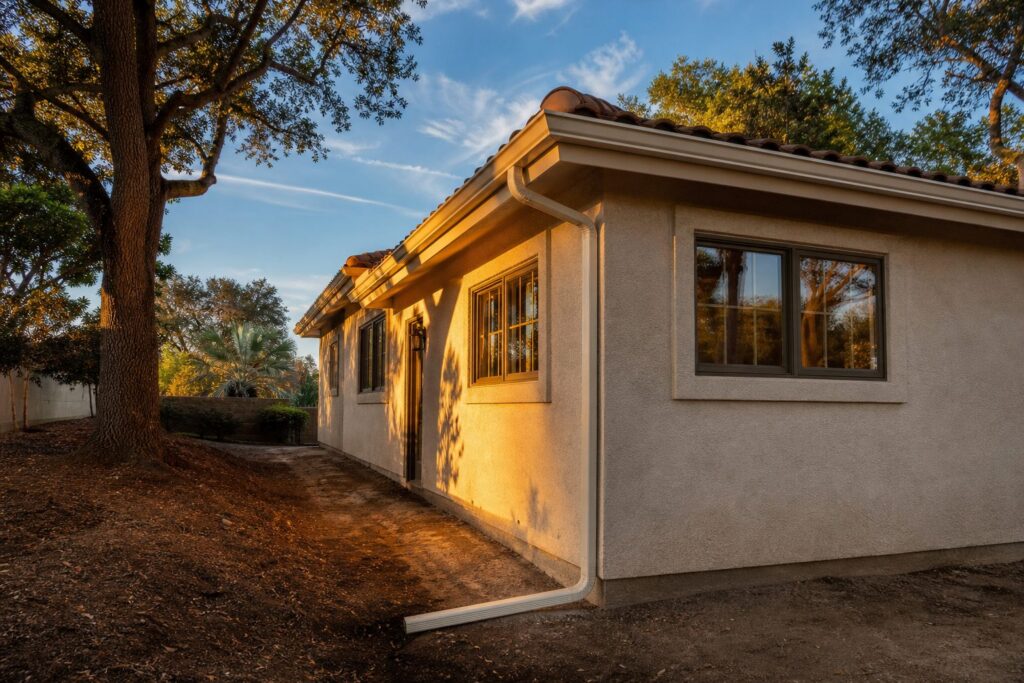
What should homeowners in the Los Angeles area do before the rainy season to protect their homes and preserve property value?
Start with your roof and gutters, then work your way down to drainage, seals, trees, valuables, and insurance. These seven steps can save you thousands in preventable water damage.
Why Rainy Season Prep Matters More Than Ever in Los Angeles
If you own a home in the San Fernando Valley, Granada Hills, Santa Clarita, or anywhere across the Los Angeles area, you already know our weather can swing from bone-dry to torrential overnight. The 2026-27 season is shaping up to be especially intense, with NOAA putting the odds of a very strong El Niño above 90% and California declaring a state of emergency in September 2026.
Here is what concerns me most as a Realtor who has spent 7 years helping homeowners across Santa Clarita and Northridge: water damage is the single fastest way to erode your property value, and most of the damage is entirely preventable. Whether you are planning to sell soon or simply want to protect the home you have lived in for decades, the checklist below is designed for you. And if you are 55 or older, I have included specific guidance on which tasks you can handle safely and which ones to hand off to a professional.
1. Inspect Your Roof Before the First Los Angeles Storm
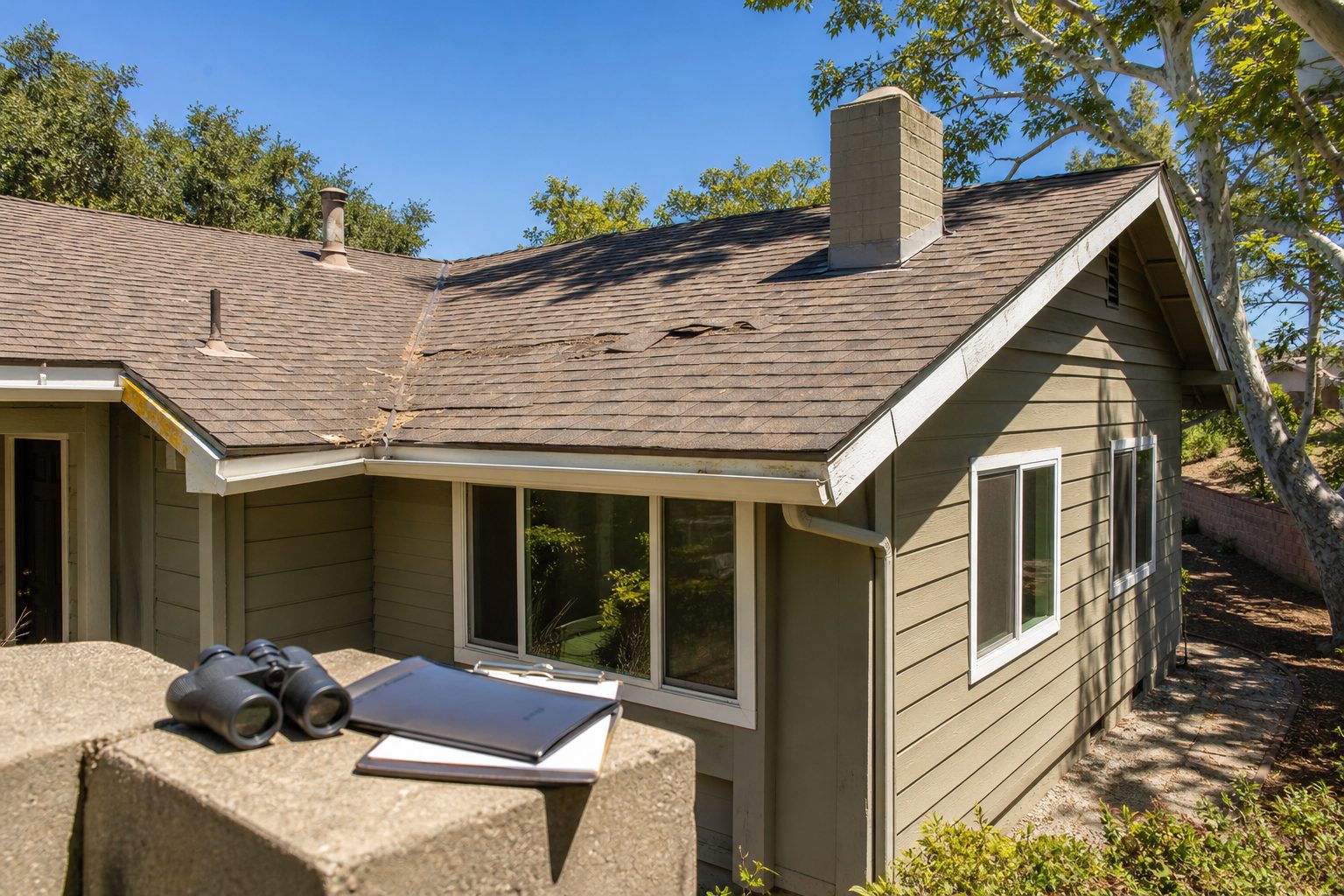
Your roof is the first line of defense against heavy rain. You want to look for cracked, loose, missing, or damaged roofing materials that could let water into your home. Pay close attention to areas around vents, skylights, chimneys, and other openings, because those are the spots most vulnerable to leaks.
How to Inspect Safely if You Are 55 or Older
You do not need to climb up there. Grab a pair of binoculars and inspect from the sidewalk or an upstairs window. Look for missing or lifted shingles, rusted flashing, and debris sitting around flat-roof drains. Anything that requires getting on the roof itself should be handed off to a licensed roofer. Roofing is specialty work, and a wet rooftop is no place for anyone to take risks.
One step that many homeowners overlook: go into your attic during daylight. If you can see pinpoints of light coming through the roof deck, water is getting in too. Look for water stains, dark spots on the decking, and any signs of mold or mildew.
A professional roof inspection typically costs $150 to $300, according to industry estimates. That is a fraction of what an undetected leak can cost you in structural repairs.
2. Clean Gutters and Downspouts Across Your Los Angeles Property
A clogged gutter does not just spill over the front edge. In many cases, the damage is worse: water runs behind the gutter, soaks the fascia board, wicks into the top of the wall, and shows up months later as blistered paint or a soft window sill. By then, you are looking at real money to repair.
This is one of the most commonly deferred tasks for homeowners over 55. According to research from the Georgia Institute of Technology, nearly 70% of difficult home maintenance tasks reported by older adults were cleaning-related or outdoor-related, and gutter cleaning sits near the top of that list. If your gutters have not been cleaned in a year or more, now is the time.
What I Tell My Clients About Gutter Guards
If your property has heavy tree coverage, which is common in Granada Hills and parts of Santa Clarita, gutter guards can dramatically reduce maintenance frequency and prevent mid-season clogs. They typically cost approximately $1 to $3 per linear foot. That small investment means you are not worrying about getting on a ladder during a downpour in January.
Make sure your downspouts extend at least 5 to 6 feet away from the foundation, as recommended by the EPA’s Indoor airPLUS specification. Water pooling at the foundation is exactly how crawl spaces and basements end up with moisture problems.
3. Seal Windows and Doors on Your Los Angeles Area Home
Old caulk and flattened weatherstripping let wind-driven rain in sideways. The south and west sides of your home take the most wind-driven rain, so those are the faces to check first. Walk the perimeter and inspect each window and door for cracks or gaps, particularly on patios and balconies. Use foam strips or weatherproof sealants to close them up, and make sure all windows and doors close securely.
Here is the math that should motivate you: a caulking gun and a tube of caulk costs approximately $10 to $20, versus possible $3,000 to $5,000 of water damage repair if a leak goes unaddressed, according to Utah State University Extension data. This is one of the most affordable and least physically demanding tasks on the entire list, which makes it a great place to start if you are tackling this yourself.
What does that actually mean for your wallet if you are thinking about selling? A home that shows water staining around window frames immediately raises red flags for buyers and their inspectors. With 5 five-star reviews from past clients who trusted me through their transactions, I can tell you that preparing a home for sale matters enormously during showings, and water damage never hides well.
4. Improve Drainage and Grading Around Your Foundation
The ground around your house should slope away from it. Building code puts a number on it: at least 6 inches of fall within the first 10 feet from the foundation. Walk around the exterior after a rainfall and look for areas where water tends to collect. If you see pooling near the foundation, you need to improve the slope of the surrounding soil.
Quick Fixes vs. Permanent Solutions
For minor issues, raking planting beds so they slope away from the house and keeping soil off wood siding can make a significant difference. For persistent drainage problems, a French drain (typically $500 to $1,500 installed, per industry estimates) can permanently solve the issue. If you are considering selling a home in the San Fernando Valley in the next year or two, this kind of improvement protects your property value and removes a potential buyer objection during inspections.
Are you noticing a pattern here? Most of the expensive damage from rainy season starts with water that had nowhere to go. Solving drainage is one of the highest-return investments you can make before listing a Los Angeles area home.
5. Trim Trees and Secure Your Yard in Santa Clarita and Granada Hills
You want to cut back any branches within 6 feet of your roof. That is the minimum safe clearance. Branches that look harmless on a calm day become battering rams in high-wind gusts. Saturated soil during prolonged rain loosens root systems, and even healthy trees can topple. A 2-inch branch falling from 30 feet can punch through shingles.
For any large branches over the roof, hire a certified arborist. Improper tree cutting can cause more damage than the tree itself. This is a task that should never be a DIY project for homeowners over 55, given the fall and injury risk. In the hillside communities across the San Fernando Valley and Santa Clarita, mature trees are beautiful, but they need professional assessment before storm season.
While you are outside, secure or store any patio furniture, potted plants, and yard décor that could become projectiles or clog drainage paths. This takes an afternoon and costs nothing but your time.
6. Protect Your Valuables and Important Documents
Move important documents, electronics, and moisture-sensitive belongings away from areas vulnerable to leaks or flooding. Store essential items in elevated locations, particularly if your property has experienced water intrusion in the past.
For downsizers, this is the perfect opportunity to start the decluttering process. Sorting through documents, photos, and valuables before rainy season serves a dual purpose: protecting items from water damage and beginning the downsizing journey that many of my clients in the 55-plus community are already considering.
Keep insurance policies, identification, bank account records, and important medical records in a waterproof container. According to AARP’s Home and Community Preferences Survey, 77% of adults 50 and older hope to age in place. If that is your plan, organizing and protecting these documents now saves you significant stress later.

7. Review Your Insurance Coverage and Build an Emergency Kit
Check your home insurance policy to ensure you have adequate coverage, especially accounting for any updates or improvements you have made to your home. Monitor your policy’s renewal date and payment periods so it does not lapse at a critical time.
Here is the detail most homeowners miss: standard home insurance typically does not cover flood damage. If a storm creates flooding, you likely need a separate flood insurance policy to be covered. For homeowners on fixed incomes, reviewing insurance annually can prevent costly gaps in coverage.
Your Emergency Kit Essentials
- Water: 1 gallon per person per day, 3-day minimum, stored in food-grade containers
- Food: 3-day supply of non-perishable items
- Light: LED flashlight with extra batteries (avoid candles during flood events)
- Power: Portable battery pack (20,000mAh or larger) to keep phones charged
- Medications: Backup supply of any prescriptions, plus important medical records in a waterproof container
If you or anyone in your household depends on medical equipment or specific medications, make sure those are part of your emergency plan. With my Circle of Excellence recognition and years of serving homeowners across the Los Angeles area, I have seen how proper preparation makes the difference between a minor inconvenience and a major financial setback.
Frequently Asked Questions
How much does it cost to prepare a Los Angeles home for rainy season?
Most preparation tasks are low-cost. A tube of caulk runs $10 to $20, gutter guards cost approximately $1 to $3 per linear foot, and a professional roof inspection typically costs $150 to $300. The most significant expense is usually tree trimming or drainage work, but these are investments that protect your home’s value and prevent far more costly repairs.
When should I start rainy season prep in the Los Angeles area?
You should begin no later than early fall. October is ideal because it gives you enough time to schedule professionals for roof inspections, tree trimming, and gutter cleaning before the first significant storms arrive. Waiting until November often means competing with every other homeowner for contractor availability.
Does rainy season damage affect my home’s resale value in Santa Clarita?
Absolutely. Water staining, mold evidence, and foundation issues from poor drainage are among the most common red flags buyers identify during inspections. Addressing these proactively can mean the difference between a smooth escrow and a renegotiation that costs you thousands.
Should I hire a professional to clean my gutters or do it myself?
If you are comfortable on a ladder and your home is single-story, gutter cleaning can be a DIY task. For two-story homes, or if you are over 55, hiring a professional is strongly recommended. A ladder on a wet lot is where people get hurt, and the cost of a professional cleaning is minimal compared to a medical bill.
Is flood insurance necessary for homes in Granada Hills or Santa Clarita?
Standard homeowner’s insurance typically does not cover flood damage. If your property sits in or near a flood zone, or if your area has experienced flash flooding in past storm seasons, separate flood insurance is worth serious consideration. Your insurance agent can review your specific risk profile.
What is the most overlooked rainy season task for older homeowners?
Drainage grading around the foundation. Many homeowners focus on the roof and gutters but never check whether the ground slopes away from the house properly. Code requires at least 6 inches of fall within the first 10 feet, and settling soil over the years can reverse that slope without you noticing.
Can rainy season prep help me sell my home faster?
Yes. Buyers and their inspectors will scrutinize a home’s resilience to weather. A recent roof inspection report, clean gutters, proper drainage, and sealed windows all signal a well-maintained property. This is especially important in the competitive Los Angeles area market.
Are there government assistance programs for 55-plus homeowners needing home repairs?
Yes. The Department of Housing and Urban Development (HUD) offers loan and assistance programs for home repairs and improvements. Eligibility depends on income level, age, property type, and location. Homeowners over age 62 may also qualify for the HECM reverse mortgage program to fund maintenance and repairs.
How do I check for roof leaks without climbing on the roof?
Use binoculars from the ground to look for missing or lifted shingles and rusted flashing. Then go into your attic during daylight. If you see pinpoints of light coming through the roof deck, or if you spot water stains and dark spots on the decking, you have a problem that needs professional attention.
What should I include in a waterproof document container?
Insurance policies, identification documents, bank account records, property deeds, medical records, medication lists, and emergency contact information. For downsizers, organizing these documents now serves the dual purpose of rainy season protection and preparation for a future move.
The Bottom Line
Protecting your Los Angeles area home before rainy season is not just about avoiding damage. It is about preserving the value of your largest asset, whether you plan to stay for years or list your San Fernando Valley property next spring. These seven steps, from roof inspection to insurance review, are straightforward, and most are affordable enough to complete in a single weekend.
If you are in Santa Clarita, Granada Hills, or anywhere across the San Fernando Valley and want personalized guidance on preparing your home for the market or simply protecting it through the season ahead, I would love to help. With 7 years of experience, a perfect 5-star rating from my clients, and specialization in helping downsizers and sellers navigate their next chapter, I am here when you are ready. Call me, Violetta Agadjanova with Park Regency Realty, at 818-620-7635.