
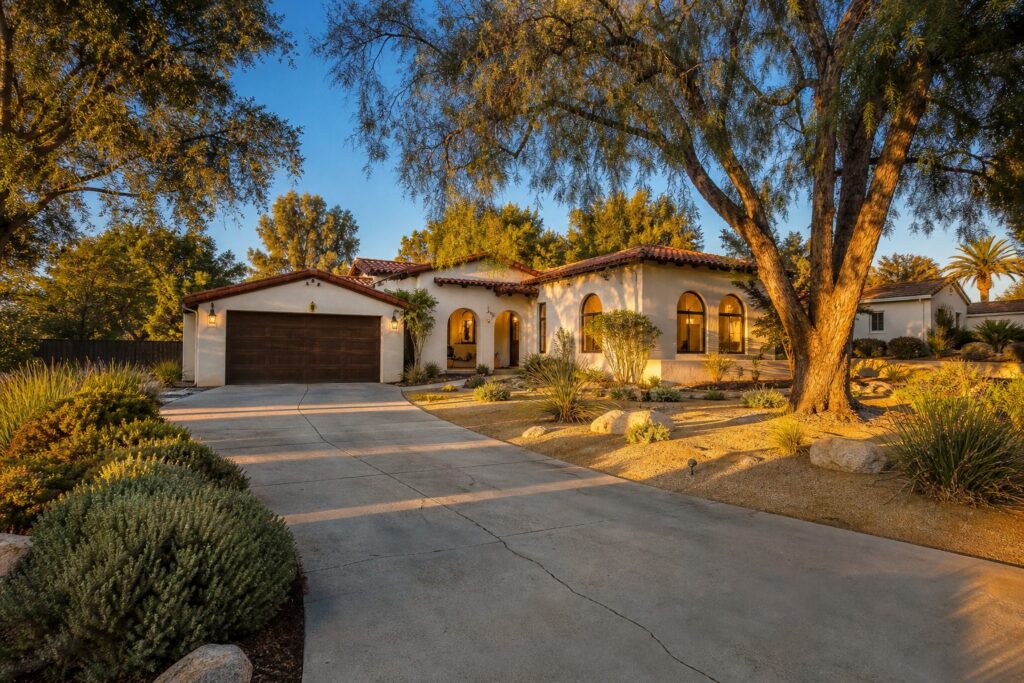
The listing has been sitting for 30+ days. Is it time to make an offer?
Yes, and you may be looking at one of the best negotiation opportunities in the Santa Clarita Valley and San Fernando Valley right now. A home that has been on the market for 30 or more days is not damaged goods. It is an invitation to negotiate, and in the fall of 2026, the data says you have real leverage.
Why This Matters Right Now in Santa Clarita and Granada Hills
I work with buyers across the Santa Clarita Valley and San Fernando Valley every single day, and the shift I am seeing in 2026 is significant. According to HousingWire market data, the typical well-priced home is selling in around 63 days nationally in 2026, while overpriced homes average 121 days. That gap tells you everything you need to know about where opportunity lives.
According to FRED data, California’s median days on market reached 52 days as of July 2026. That means a 30-day listing in our area is not unusual at all. What I tell my clients is simple: the question is not “what is wrong with this house.” The question is “what kind of deal can I build here.” The national list-to-sale price ratio sits at 98.4% according to Redfin data, meaning most homes are selling at or just below asking. But homes that have been sitting? That is where the math gets interesting for you.
How to Read a 30-Day Listing in the San Fernando Valley
Before you write an offer on any Santa Clarita or Granada Hills home that has been on the market for a month or more, you need to understand what the days on market number is actually telling you. A property sitting 30 to 60 days signals one of three things: it is overpriced for its condition, overpriced for the market, or it has issues that are not immediately apparent. But just as often, initial overpricing or poor timing can be the entire explanation.
Here is what I recommend you ask me (or your agent) to investigate before you write a single number on paper:
- Is the price above comparable sales? If similar homes in Granada Hills or Santa Clarita sold for less in the past 90 days, the listing is likely overpriced and there is room to negotiate.
- Has the seller already taken a price reduction? This is one of the strongest signals of motivation. A seller who has cut once is psychologically primed to negotiate further.
- Is the home vacant? A vacant home means the seller is paying mortgage, insurance, utilities, and maintenance while the property sits empty. Time is costing them real money every day.
- What does the showing feedback say? If buyers have toured and passed, there may be condition concerns you can use as leverage during inspection negotiations.
The key is diagnosing the “why” before you decide the “how much.” Leverage comes from understanding why the seller is selling. Signals of a motivated seller include 45 or more days on market, one or more prior price cuts, a vacant property, an estate or relocation sale, or a listing that is entering a new season. I can often learn the seller’s timeline and motivation directly from the listing agent.
What to Offer on a Santa Clarita Home That Has Been Sitting
There is no universal rule for how much to offer, and it depends entirely on the local market. But here is the data-driven framework I walk my clients through:
First, pull comparable sales from the last six months within roughly half a mile, matching size and condition as closely as possible. Calculate the average list-to-sale price ratio for those sales. This is your anchor, not the asking price on the listing you are considering.
Second, check the days on market alongside any price reduction history. Under 14 days is hot. 14 to 60 days is the new normal. 60 or more days is slow. Each price reduction is another signal of seller motivation.
Third, apply the right offer range based on what you find:
- Balanced market, no price cut: 97 to 100% of asking
- 30-day listing, no cuts: approximately 5% below asking is reasonable
- Stale listing at 45 or more days with a price cut: Start 5 to 10% below asking and keep all your contingencies
- 90 or more days with multiple cuts: Negotiate aggressively in the 88 to 95% range of list price
What does that look like in real terms? If you are looking at a Granada Hills home listed at a price that is above what comparable neighborhood sales support, and it has been sitting for 45 days with one price reduction, you have solid ground to come in meaningfully below asking. The data from the first half of 2026 shows that if a home has not received an acceptable offer by day 21, the probability of a price cut increases by nearly 65%.
Beyond Price: Structuring a Smarter Offer in Granada Hills and Santa Clarita
Here is something I always emphasize to my first-time homebuyers and move-up buyers: you should negotiate the total deal, not just the purchase price. Concessions like a rate buydown or closing-cost credit often deliver more value than an equivalent price reduction.
Seller Concessions That Save You Thousands
Understanding what the costs of buying a home entails helps you negotiate effectively. It is not uncommon to negotiate $5,000 to $10,000 in seller-paid closing costs on homes that have lingered past the 30-day mark. For buyers in the Santa Clarita Valley and San Fernando Valley, where purchase prices can stretch your budget, this kind of credit can make or break your ability to close comfortably. You can ask for:
- Closing cost credits that keep more cash in your pocket at the table
- A 2-1 interest rate buydown, where the seller pays a lump sum at closing to reduce your rate by 2% in year one and 1% in year two, before reverting to your locked rate in year three and beyond
- A repair credit after your home inspection reveals deferred maintenance items
Use the Closing Timeline as a Negotiation Tool
If a seller has been sitting on a listing for 60 days, certainty has enormous value. You can frame it this way: “I can close in 21 days and give you the peace of mind you are looking for after two months on the market.” That kind of offer, backed by a strong pre-approval, can win even if your price is not the absolute highest.
Keep Your Contingencies
With 10 five-star reviews and a Circle of Excellence designation, I can tell you that the strongest buyer offers I have seen do not require waiving protections. Instead, strengthen your position with a strong, current pre-approval letter, meaningful earnest money that signals commitment, tight but intact contingencies, and a flexible closing date that works for the seller. Never waive your financing contingency unless you are paying all cash.
The Biggest Mistake Buyers Make on 30-Day Listings
So, what is the one thing that can blow up your opportunity on a sitting listing? A lowball offer with no data behind it.
I see it happen. A buyer gets excited about the days-on-market number and throws out a number that has no basis in comparable sales. The best strategy is to base your offer on the home’s true market value, not just the number of days it has been on the market. A lowball without data backup can insult a seller who still has emotional equity in their price and cause them to shut down negotiations entirely.
What I recommend instead is offering what the home is worth based on real data and offering it with genuine intent to make the deal work. Pull the comps. Show the seller’s agent exactly why your number makes sense. When an offer is backed by evidence, even a number well below asking can be taken seriously.
And do not wait too long, either. A listing that has accumulated 30, 45, or 60 or more days on market may have something a brand-new listing does not: a seller increasingly motivated to make a deal. But that window does not stay open forever. Buyers who treat a sitting listing as indefinitely available often see it go under contract once new seasonal buyers arrive. As we head into the fall and winter months of 2026, a modest increase in inventory is expected, per multiple market forecasters, giving you more choices but also bringing new competition into the market.
Your 30-Day Listing Action Checklist for the Santa Clarita Valley
Before you schedule a showing on that listing that caught your eye, run through this list:
- Pull comparable sales from the last six months within half a mile
- Check for prior price reductions in the listing history
- Ask your agent to find out if the home is vacant or seller-occupied
- Determine the seller’s motivation (estate sale, relocation, new construction purchase)
- Calculate your offer based on comps, not a gut percentage below asking
- Decide which concessions matter most to you: price reduction, closing cost credit, or rate buydown
- Get your pre-approval letter updated and ready to submit same day
- Set your walk-away number before negotiations begin
Frequently Asked Questions
Is a home that has been on the market for 30 days in Santa Clarita a bad sign?
Not at all. In 2026, the typical well-priced home nationally sells in around 63 days, according to HousingWire market data. California’s median days on market reached 52 days as of July 2026 per FRED data. A 30-day listing in the Santa Clarita Valley or Granada Hills is well within the normal range and often reflects pricing adjustments rather than property defects.
How much below asking price should I offer on a 30-day listing?
It depends on comparable sales data, not just days on market. For a listing sitting 30 days with no price reductions, approximately 5% below asking is a reasonable starting point. For stale listings at 45 or more days with a price cut, 5 to 10% below current asking with all contingencies intact is supported by current market patterns.
What is a 2-1 rate buydown and should I ask for one?
A 2-1 buydown means the seller pays a lump sum at closing to reduce your mortgage rate by 2% in year one and 1% in year two, before it returns to your original locked rate. This can dramatically lower your monthly payment during the most expensive early years of homeownership and is often worth more than a small price reduction.
Can I still negotiate closing costs on a Granada Hills home in 2026?
Yes. It is not uncommon to negotiate $5,000 to $10,000 in seller-paid closing costs on homes that have lingered past the 30-day mark. This is especially effective when the seller is paying holding costs on a vacant property.
Should I waive my inspection contingency to make my offer stronger?
No. In a market where you have leverage due to days on market, there is no reason to waive protections. Keep your inspection contingency and use any findings as additional negotiation leverage. Never waive your financing contingency unless you are paying all cash.
How do I know if the seller is motivated?
Key signals of a motivated seller include 45 or more days on market, one or more prior price cuts, the home being vacant, an estate or relocation sale, or a listing entering a new season. Your agent can often learn the seller’s timeline and motivation from the listing agent.
What is the national list-to-sale price ratio in 2026?
The national list-to-sale price ratio is 98.4%, per Redfin data, meaning most homes sell very close to asking price. However, approximately 31% of homes sold above list price in early 2026, which means 69% of homes are selling at or below asking, creating real negotiation opportunities.
Is fall 2026 a good time to buy in the San Fernando Valley?
Market forecasters expect a modest increase in inventory in the second half of 2026, with home price appreciation trailing inflation. Buyers may find themselves with more negotiating power during the slower fall and winter months, making this a strong window to act.
What if the listing expires before I make an offer?
Sometimes a home sits for 90 days and the listing simply expires. These expired or withdrawn listings represent a potential opportunity because the seller is usually frustrated and may be more open to a reasonable offer without the pressure of competing buyers.
How quickly should I act on a listing that has been sitting?
Do not treat a sitting listing as indefinitely available. Buyers who wait too long often see these homes go under contract once new seasonal buyers enter the market. Get your pre-approval updated, run your comps, and be ready to submit your offer quickly once you have done your homework.
The Bottom Line
If you are searching for homes in the Santa Clarita Valley and Granada Hills, a listing that has been on the market for 30 or more days is not a warning sign. It is a negotiation opportunity. The 2026 market is giving buyers something they have not had in years: choice and time. Use that advantage wisely. Run the comps, diagnose why the home is sitting, structure your offer with the right mix of price and concessions, and back every number with data.
I am Lata Agadjanova with Park Regency Realty, and I help buyers across the San Fernando Valley navigate exactly these kinds of opportunities every week. With 10 five-star client reviews and a Circle of Excellence designation, my focus is simple: protecting your interests, negotiating strongly on your behalf, and being present every step of the way. If you are eyeing a listing that has been sitting and want to know what a smart offer looks like, reach out at 818-620-7635. Let’s look at the numbers together and see if this is your moment.