
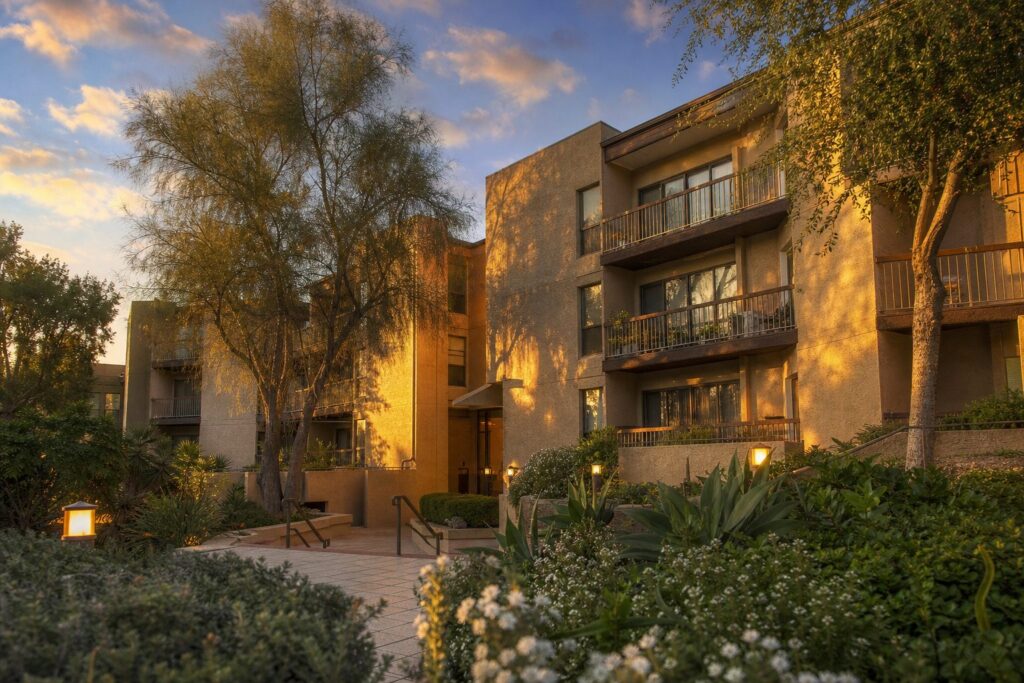
What should you check before buying a pre-1990 condo in the Santa Clarita Valley, and how do you evaluate the HOA’s financial health?
Before buying an older condo in the Santa Clarita Valley, review the HOA’s reserve study, confirm at least 70% funding, verify insurance coverage, and check for pending special assessments or deferred maintenance on shared systems.
Why This Matters Right Now in Santa Clarita Valley
If you are looking at condos in Valencia, Saugus, Newhall, or Canyon Country, you are walking into one of the most favorable buying windows in recent memory. As of July 2026, the median price for condos and townhomes in the Santa Clarita Valley came in at $540,000, down 11% year over year, per Southland Regional Association of REALTORS® data. That price gap between a single-family home at $860,000 and a condo at $540,000 means condos represent a significantly more accessible entry point.
But here is what makes this moment different: California just passed AB 2050, signed on September 29, 2026. Starting January 1, 2032, HOA boards must actually fund their reserves at the level their study recommends. On top of that, Fannie Mae is raising its minimum reserve allocation from 10% to 15% for applications dated on or after January 4, 2027. If you buy into a building that cannot meet these thresholds, you could face financing problems when it is time to sell. So checking the HOA’s financial health is not optional. It is the single most important step in your due diligence.
How to Evaluate HOA Reserve Funds in Santa Clarita Valley Condos
This is where I spend the most time educating my clients, especially first-time buyers. A reserve fund is the money your HOA sets aside for major repairs to shared components: roofs, elevators, parking structures, plumbing, and common area systems. California Civil Code 5550 requires a full reserve study with an on-site visual inspection at least once every three years, with financial updates in the off years.
What the Reserve Study Should Tell You
When you request the HOA documents during escrow, look for these specific items:
- Percent funded. Industry professionals consider 70% or above to be well-funded, 50% to 70% as marginally funded, 30% to 50% as underfunded, and below 30% as critically underfunded. I always tell my clients: if the reserve is below 50%, you need to budget for a near-certain special assessment or dues increase.
- Current estimated replacement cost for each major component and its remaining useful life.
- The deficiency in reserve funding expressed on a per-unit basis. This number tells you exactly how underfunded the building is, broken down to your share.
As of January 1, 2025, SB 900 expanded the list of qualifying major components to include gas, water, and electrical infrastructure, per the California Civil Code. For a pre-1990 building still running on original galvanized pipes or aging electrical panels, this is a big deal. Those components now must appear in the reserve study, and the cost to replace them can be substantial.
Why AB 2050 Changes Everything for Older Condos
Here is the practical impact: before AB 2050, HOA boards were required to have a reserve study, but they were not required to follow the funding plan it recommended. That loophole allowed boards to keep dues artificially low while reserves dwindled. Starting in 2032, boards must contribute at least the 30-year minimum their study identifies. Associations projected to run out of reserves must set aside at least 15% of the annual budget. If you are buying a condo in the Santa Clarita Valley today, the building’s reserve shortfall is not just a current issue; it is a future liability that will be resolved through higher dues or special assessments. Factor that into your monthly budget now.
Insurance Challenges for Pre-1990 Santa Clarita Valley Condos
Insurance is one of my specialties, and it is an area where older condo buyers in the SCV consistently underestimate their exposure. Here is what you need to understand.
The Master Policy vs. Your Personal Policy
Every condo complex carries a master insurance policy (sometimes called an HOA policy) that covers the building’s structure, common areas, and shared liability. You are responsible for your own HO-6 policy, which covers your personal property, interior improvements, and your personal liability. What I always recommend is requesting a full copy of the master policy declarations page during escrow, not just a summary.
What to Look for in the Master Policy
- Coverage type. Is it “bare walls in” or “all in”? This determines whether you need to insure interior fixtures, flooring, and built-in appliances yourself.
- Deductible amount. Some older buildings in the SCV carry deductibles of $25,000 or more per claim. If a covered event triggers a claim, your HOA’s CC&Rs may require each unit owner to pay their share of the deductible through a special assessment.
- Wildfire and earthquake exclusions. The Santa Clarita Valley sits adjacent to wildfire-prone areas, and the broader California insurance market has hardened considerably. Verify whether the master policy includes fire coverage, what the premium trend has been over the past three years, and whether the association has had difficulty obtaining or renewing coverage.
If the HOA is struggling to maintain adequate insurance, that cost gets passed directly to you through increased dues.
What to Inspect First in an Older Santa Clarita Valley Condo
Beyond the financials, the physical condition of the building matters enormously. I have worked with buyers across Valencia, Saugus, and Canyon Country, and there is a consistent checklist I walk through with every client considering a pre-1990 building.
Structural and Mechanical Priorities
- Plumbing. Many 1970s and 1980s buildings in the SCV still have galvanized or cast iron pipes. These systems have a useful life of roughly 40 to 60 years, meaning many are at or past end of life. Ask the HOA whether a plumbing assessment has been completed and whether re-piping is in the reserve plan.
- Electrical panels. Older panels, particularly certain brands recalled for safety issues, may need full replacement. This is a shared cost in most condo associations.
- Roofing. Check the reserve study for the roof’s remaining useful life and estimated replacement cost. A roof replacement on a multi-unit building can cost hundreds of thousands of dollars.
- Balconies and elevated walkways. California’s SB 326 requires inspections of exterior elevated elements (balconies, walkways, stairways) by a licensed structural engineer or architect. For a pre-1990 building, these inspections may reveal costly wood rot or waterproofing failures.
How Financing Rules Affect Your Santa Clarita Valley Condo Purchase
You might find the perfect unit in a quiet complex off Bouquet Canyon Road in Saugus or near the Valencia Town Center, only to discover your lender will not approve the loan. Here is why that happens and how to avoid it.
Fannie Mae’s 2027 Reserve Threshold
Per Fannie Mae Lender Letter LL-2026-03, the minimum reserve allocation increases from 10% to 15% for Full Review loan applications dated on or after January 4, 2027. Associations below 15% will be classified as non-warrantable, which means conventional mortgage lending is effectively shut off for units in that community. The Limited Review process for condo projects was already retired as of August 3, 2026.
FHA and VA Buyers
FHA and VA loans require at least 10% of the annual budget allocated to reserves. If the building falls below that threshold, FHA and VA buyers are eliminated from the pool. For investors, this matters too: when it comes time to sell, a building that cannot qualify for government-backed or conventional loans has a dramatically smaller buyer pool and lower resale value.
What does that actually mean for your purchase? It means that checking the HOA’s reserve percentage is not just about protecting yourself. It is about protecting your investment’s future marketability. With 10 five-star client reviews and a Circle of Excellence recognition, I have guided first-time buyers through exactly these scenarios, and the difference between a well-researched purchase and a costly mistake often comes down to this one number.
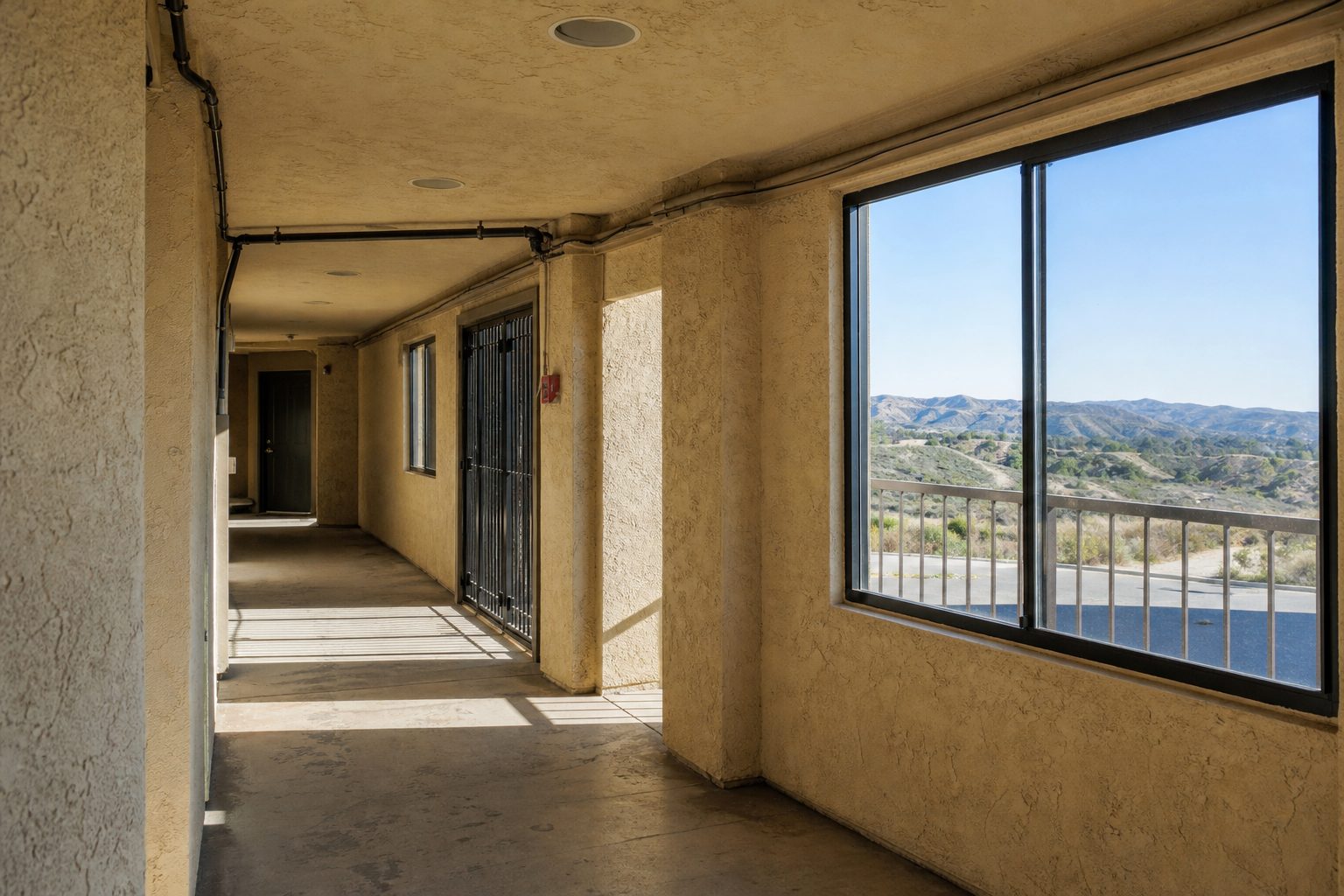
Special Assessments: The Hidden Cost in Older Santa Clarita Valley Condos
A special assessment is a one-time charge the HOA levies on every unit owner to cover a major expense that the reserves cannot fund. Under California’s Davis-Stirling Act, the board can levy assessments up to 5% of the annual budget without a member vote. Assessments above that threshold require approval from a majority of unit owners.
For older buildings, special assessments in the Los Angeles area typically range from $5,000 to $50,000 per unit, per Davis-Stirling Act compliance data. That is a wide range, but here is what drives it higher: deferred maintenance, underfunded reserves, and newly required components under SB 900 that were never previously budgeted.
How to Protect Yourself
- Request the HOA’s meeting minutes from the past 24 months. Look for any discussion of upcoming capital projects, reserve deficiencies, or planned assessments.
- Ask the management company directly: “Are there any pending or anticipated special assessments?”
- Review the Annual Budget Report, which must include the Assessment and Reserve Funding Disclosure Summary on the standardized state form, per California Civil Code 5570.
Seller Concessions: A Strategy Worth Using in This Market
Here is a piece of context that changes how you should negotiate. As of mid-2026, 52.9% of all closed sales in the San Fernando Valley involved seller concessions, with a median concession of $25,000, per SRAR data. You can leverage this environment. If the building has marginal reserves or known maintenance issues, negotiate a seller credit toward closing costs, a rate buydown, or even a concession to offset a known upcoming special assessment.
This is not about squeezing the seller. It is about structuring a smart deal that accounts for the real costs of owning in an older building. Rated 5 out of 5 stars by my past clients, I specialize in first-time homebuyer transactions and helping buyers navigate special assessments and insurance challenges in older buildings. This is the kind of hands-on guidance that makes the difference.
Frequently Asked Questions
What percentage funded should an HOA reserve be before I buy a Santa Clarita Valley condo?
Industry professionals and reserve study analysts consider 70% or above to be well-funded. Buildings between 50% and 70% are marginally funded, and below 50% carries a high likelihood of special assessments or significant dues increases. Always request the reserve study during your inspection period.
How often must California HOAs conduct a reserve study?
Under California Civil Code 5550, a full reserve study with an on-site visual inspection must be conducted at least once every three years. In off years, the association must complete a financial update to adjust assumptions and contribution rates.
What is AB 2050 and how does it affect older condos in Santa Clarita?
AB 2050 was signed on September 29, 2026, and requires HOA boards to actually fund reserves at the 30-year minimum identified in their reserve study, starting January 1, 2032. Buildings with low reserves will face mandatory contribution increases before that deadline.
Can an HOA use reserve money for operating expenses?
No. California Civil Code 5380 requires operating funds and reserve funds to be held in separate bank accounts. Reserve money may only be used for the repair, restoration, replacement, or maintenance of major components the association is obligated to maintain.
What is the minimum reserve percentage for FHA or VA condo financing?
FHA and VA loans require at least 10% of the annual budget allocated to reserves. If the building falls below this threshold, buyers using these loan types cannot purchase in that community.
When does Fannie Mae’s new 15% reserve requirement take effect?
Per Fannie Mae Lender Letter LL-2026-03, the minimum reserve allocation increases from 10% to 15% for Full Review loan applications dated on or after January 4, 2027.
What is SB 326 and why does it matter for older condos?
SB 326 mandates inspections of exterior elevated elements like balconies and walkways by a licensed structural engineer or architect. For pre-1990 buildings, these inspections often reveal wood rot or waterproofing failures that require costly repairs funded through reserves or special assessments.
How much can a special assessment cost per unit in the Santa Clarita Valley area?
Special assessments on older condo buildings in the Los Angeles area typically range from $5,000 to $50,000 per unit, depending on the scope of the repair and the level of reserve funding, per Davis-Stirling Act compliance data.
What did SB 900 add to reserve study requirements?
As of January 1, 2025, SB 900 added gas, water, and electrical infrastructure to the list of qualifying major components where the association is responsible for their repair or replacement. This is especially significant for pre-1990 buildings.
Should I ask for seller concessions when buying an older condo?
Yes. As of mid-2026, 52.9% of all closed sales in the San Fernando Valley involved seller concessions, with a median concession of $25,000, per SRAR data. Use this leverage to negotiate credits for closing costs, rate buydowns, or known upcoming assessments.
The Bottom Line
Buying an older condo in the Santa Clarita Valley can be one of the smartest moves you make, especially with the median condo price sitting at $540,000 as of July 2026 per SRAR data, well below the $860,000 median for single-family homes. But the savings only work in your favor if you do the homework. Check the reserve funding percentage. Read the insurance declarations. Review the meeting minutes for special assessment discussions. Verify the building qualifies for the financing you need, especially with Fannie Mae’s 15% threshold taking effect in January 2027.
I am Lata Agadjanova with Park Regency Realty, a real estate advisor specializing in first-time homebuyers, special assessments, and insurance for older buildings across the Santa Clarita Valley and San Fernando Valley. If you are considering a condo purchase and want someone who will walk through every HOA document with you, reach out at 818-620-7635. I would love to help you make a confident, well-informed decision.