
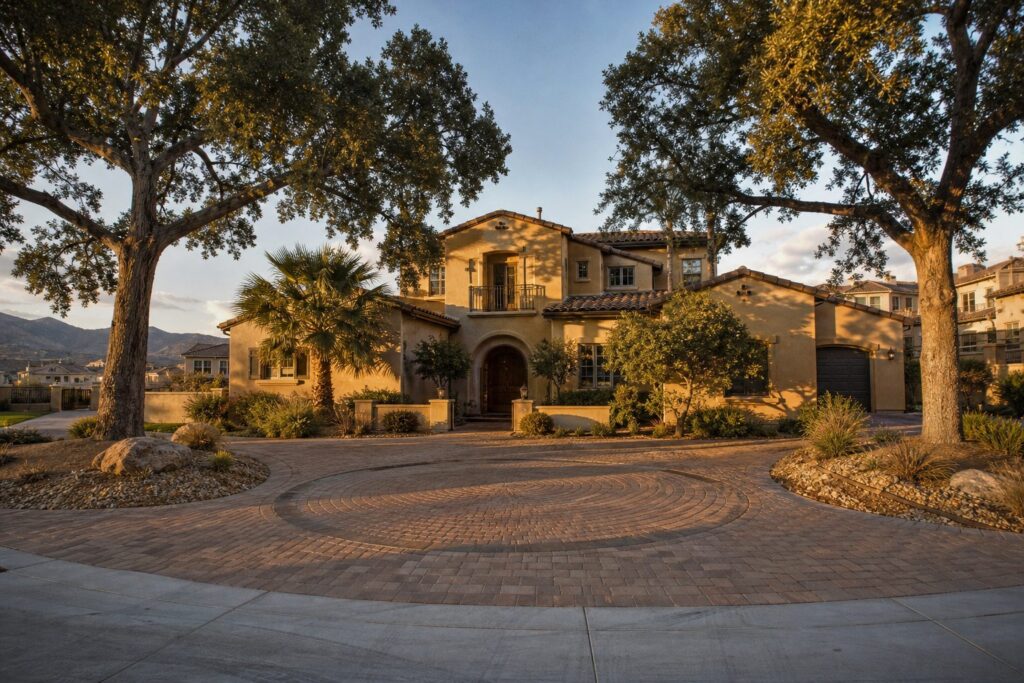
Thinking about leaving the San Fernando Valley for Santa Clarita? Here are the seven things you need to understand before making the move.
If you are considering this move, here is the short answer: you will likely get more house for less money, gain access to strong public schools, and enjoy a more outdoor-oriented lifestyle, but you need to plan for the commute, Mello-Roos taxes, and a different pace of daily life.
Why This Matters for San Fernando Valley Families Right Now
The math is pushing more families north. As of July 2026, the median single-family home price in the San Fernando Valley hit $1,150,000, according to market data tracked by Valley News Group. Meanwhile, Santa Clarita’s median for single-family homes sits around $880,000, per Resideline Market Watch. That is roughly a $270,000 gap, and for families already stretching to qualify for a Valley home (you would need a household income of about $282,048 to qualify for a conventional 80% loan on the SFV median, per Valley News Group’s September 2026 reporting), that difference is not academic. It is the difference between owning comfortably and being house-poor.
I work with families making this exact decision every week across the Santa Clarita Valley and San Fernando Valley, and the questions are always similar: Is it worth it? What will I gain? What will I miss? Let me walk you through the seven things that actually matter.
1. Your Dollar Buys Significantly More Home in Santa Clarita
This is the headline number, and it is real. The median price per square foot in the San Fernando Valley is running around $611, per recent market tracking. In Santa Clarita, that figure drops to $429 per square foot, according to Resideline data from 2026. That is roughly 30% more square footage for every dollar you spend.
What does that look like in practice? If you are currently in a 1,500-square-foot home in a mid-Valley neighborhood like Woodland Hills or Granada Hills (where median prices range from $900,000 to $1.2 million), your equity could position you to buy a 2,000-plus-square-foot home in Santa Clarita communities like Saugus or Valencia, potentially with a lower monthly payment.
And the entry points are real, too. Condominiums and townhomes in Santa Clarita offer options closer to the $500,000 to $600,000 range, per Resideline’s community-level data. That draws first-time buyers as well as families looking to right-size their finances after years of Valley price escalation.
Here is something I always tell my clients: do not just compare sticker prices. Compare what you actually live in. A four-bedroom home with a two-car garage and a backyard in Valencia feels very different from a three-bedroom on a tight lot in Sherman Oaks, even if the mortgage payment is similar.
2. Santa Clarita’s Neighborhoods Are Not All the Same
One mistake I see families make is treating Santa Clarita as one big neighborhood. It is not. There are distinct communities, each with a different personality and price point, and choosing the right one matters just as much as deciding to make the move in the first place.
Valencia
This is Santa Clarita’s most established master-planned area. You will find mature landscaping, strong schools, and the Westfield Valencia Town Center anchoring the retail and dining scene. It tends to attract families coming from Sherman Oaks or Woodland Hills who want that same polished suburban feel. Prices here run on the higher end of the Santa Clarita spectrum.
Stevenson Ranch
Premium pricing, newer construction, hillside views, and consistently top-rated schools. If your budget allows it and schools are your top priority, this community should be on your list.
Saugus
A solid mid-range option. You get a mix of older and newer homes, good freeway access via I-5, and strong value for the square footage. Popular with families who want to stretch their dollar without sacrificing school quality.
Canyon Country
The most affordable area within Santa Clarita. Per Resideline data, Canyon Country and parts of Newhall offer the most accessible price points. Larger lots, a more open feel, and zip code 91390 (Agua Dulce/Canyon Country) showed a median of $625,000 with 9 sales as of June 2026.
Newhall
The historic heart of Santa Clarita, with a revitalizing Main Street district, arts community, and more walkable character than other Santa Clarita neighborhoods. The 91321 zip code (Newhall) posted a median of $1,065,000 in June 2026 with 5 sales, though that small sample size reflects some higher-end properties in the area.
3. The Commute from Santa Clarita to the San Fernando Valley Is Manageable, but Honest
Let me be straightforward with you. The average commute time in Santa Clarita is about 30.54 minutes, according to Census data. But your actual commute depends entirely on where you work and when you drive.
- I-5 South is the primary route back to the Valley. During peak hours, you should expect 35 to 60 minutes to reach central SFV destinations like Sherman Oaks, Encino, or Studio City.
- SR-14 (Antelope Valley Freeway) connects to I-5 and opens up routes toward Glendale and Pasadena.
- Metrolink’s Antelope Valley Line has stations in Santa Clarita (Via Princessa and Santa Clarita Station) and runs directly to Union Station downtown in about 60 minutes. For families with one partner commuting to DTLA, this is a genuine game-changer.
If you work in the western Valley (Woodland Hills, Calabasas), plan on 40 to 70 minutes via I-5 to SR-118 or I-405. If you work in the eastern Valley (Burbank, North Hollywood, Glendale), the I-5 corridor is more direct, typically 30 to 50 minutes. And if you work from home even a few days a week, the commute math changes entirely in Santa Clarita’s favor. That hybrid work flexibility is a big part of why this move has become so popular since 2020.
4. Santa Clarita Schools Are a Major Reason Families Make This Move
You already know this if you have been researching. Santa Clarita’s public schools are widely regarded as among the strongest in the greater Los Angeles area, and this is consistently the number-one factor I hear from families considering the move.
The William S. Hart Union High School District serves grades 7 through 12 across the valley, with well-regarded campuses including Valencia High, West Ranch High, Saugus High, Canyon High, Hart High, and Golden Valley High. Elementary grades are served by the Saugus Union School District, Newhall School District, and Sulphur Springs Union School District (primarily Canyon Country).
For families currently in the San Fernando Valley paying for private school because they are not satisfied with their assigned LAUSD campus, Santa Clarita’s strong public school options can effectively save $15,000 to $30,000 per child per year. That is real money that goes right back into your housing budget. Compare that to Granada Hills, where Granada Hills Charter earns an A+ from Niche and is one of the best in California, but options outside that specific charter zone vary widely across LAUSD.
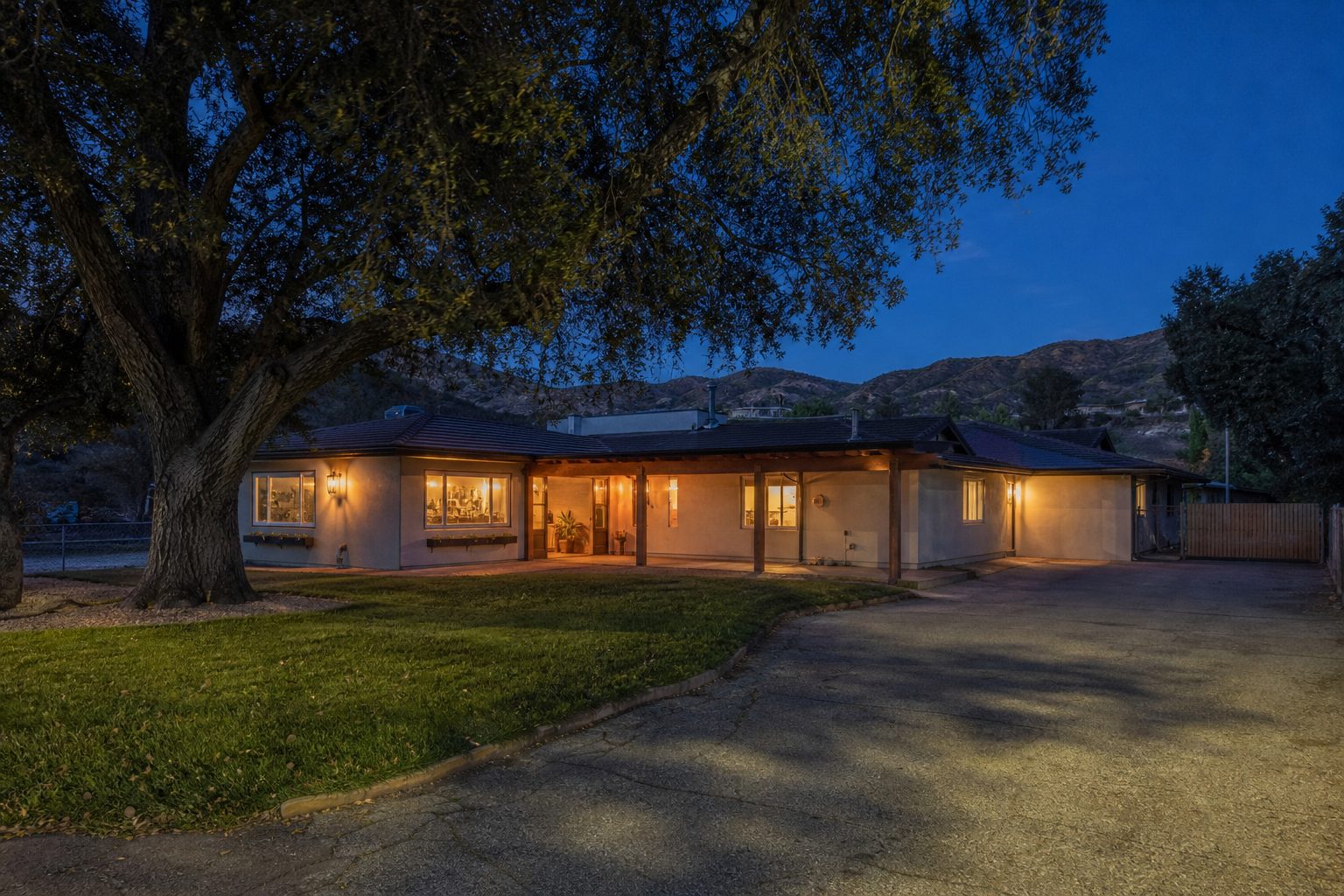
5. The Lifestyle Shift: More Space, More Outdoors, Different Energy
Santa Clarita offers over 36 parks and more than 100 miles of connecting trails (called paseos) that link neighborhoods together. Castaic Lake gives you boating and swimming. Placerita Canyon Nature Center is right in your backyard for hiking. Six Flags Magic Mountain is a local landmark. The MAIN performing arts center in Old Town Newhall brings arts and culture.
So what might you miss? The honest answer: the diversity of dining, especially the ethnic food scene along Van Nuys Boulevard and in North Hollywood. The walkability of neighborhoods like Sherman Oaks, where the Ventura Boulevard corridor gives you coffee shops, restaurants, and retail within walking distance. The urban energy and proximity to Hollywood, the Westside, and central LA nightlife.
What I tell my clients is this: if your weekends are already centered around your kids, outdoor activities, and community events, Santa Clarita will feel like an upgrade. If you rely on walkable nightlife and eclectic dining several nights a week, that trade-off will feel bigger.
6. The True Cost of Homeownership in Santa Clarita Goes Beyond the Purchase Price
This is where families sometimes get surprised, so I want to walk you through it clearly.
Property taxes in Los Angeles County run approximately 1.1% to 1.25% of assessed value. On an $800,000 home in Santa Clarita, expect roughly $8,800 to $10,000 per year. But here is the catch: many newer Santa Clarita developments carry Mello-Roos (Community Facilities District) taxes, which can add $2,000 to $5,000 or more annually. Older San Fernando Valley neighborhoods rarely have Mello-Roos. This is a cost that surprises buyers who only looked at the list price.
HOA fees in communities like Valencia and Stevenson Ranch typically range from $50 to $350 per month. Many older SFV neighborhoods have no HOA at all.
Homeowners insurance may be higher in parts of Santa Clarita due to wildfire risk zones, particularly in hillside areas and Canyon Country. California’s FAIR Plan may be required for some properties in high-risk zones.
Here is the bottom-line comparison for a typical family:
- Santa Clarita at $800,000 (20% down, 6.25% rate): Mortgage around $3,940 per month, plus property tax around $770, insurance $200 to $350, HOA $100 to $300, and potential Mello-Roos $150 to $400. Estimated total: roughly $5,160 to $5,760 per month.
- San Fernando Valley at $1,100,000 (same terms): Mortgage around $5,420, property tax around $1,060, insurance $150 to $250, HOA $0 to $200, Mello-Roos rare. Estimated total: roughly $6,630 to $6,930 per month.
That is an estimated savings of $900 to $1,770 per month by choosing Santa Clarita. Even factoring in Mello-Roos and potentially higher insurance, the numbers favor Santa Clarita for most families making this comparison. To understand all the costs involved in homeownership, you can review what costs are involved in buying a home.
7. Santa Clarita’s 2026 Market Is Moving Toward Balance, and That Benefits You
The days of frantic bidding wars in Santa Clarita have moderated. Current market data from Houzeo shows days on market at 46 days, months of supply at 2.9 months, and a sale-to-list ratio of 99.14%, as of 2026. Mortgage rates currently sit at 6.23%, per the same source.
What does that mean for you? Homes are still selling, well-priced properties still attract strong interest, but you have more time to make decisions and more room to negotiate. Compare that to the San Fernando Valley, where single-family homes are still moving in 18 days on market as of July 2026, per Valley News Group. And remember, 52.9% of SFV transactions included seller concessions with a median concession of $25,000, per the same source. That tells you even Valley sellers are coming to the table.
As someone with 10 five-star reviews and a Circle of Excellence recognition who specializes in both San Fernando Valley real estate and Santa Clarita real estate, I can tell you that this kind of balanced market is actually the best time to make a strategic move. You have leverage on the buy side in Santa Clarita, and you can still capture strong value when you sell your Valley home.
Frequently Asked Questions About Moving from the San Fernando Valley to Santa Clarita
How much cheaper is Santa Clarita compared to the San Fernando Valley?
The median single-family home price in Santa Clarita was $880,000, compared to $1,150,000 in the San Fernando Valley, as of July 2026, per Resideline and Valley News Group data. That represents roughly a $270,000 difference. On a price-per-square-foot basis, Santa Clarita runs about $429 compared to $611 in the SFV, meaning you get approximately 30% more home for your money.
What is the average commute from Santa Clarita to the San Fernando Valley?
The average commute from Santa Clarita is about 30.54 minutes, per Census data. Commuting to central SFV locations like Sherman Oaks or Encino during peak hours typically takes 35 to 60 minutes via I-5 South. Eastern Valley destinations like Burbank tend to be faster at 30 to 50 minutes.
Are Santa Clarita schools really better than San Fernando Valley schools?
Santa Clarita’s public schools, particularly within the William S. Hart Union High School District, are widely regarded as among the strongest in greater Los Angeles. The SFV has excellent individual campuses (like Granada Hills Charter, which earns an A+ from Niche), but quality varies more widely across the LAUSD system.
What is Mello-Roos, and does Santa Clarita have it?
Mello-Roos is a special tax assessment used to fund community infrastructure in newer developments. Many Santa Clarita communities, especially those built in the 1990s through 2020s, carry Mello-Roos that can add $2,000 to $5,000 or more annually to your property tax bill. Older San Fernando Valley neighborhoods rarely have this additional cost.
Which Santa Clarita neighborhood is most affordable?
Canyon Country generally offers the most accessible price points in Santa Clarita. The 91390 zip code (Agua Dulce/Canyon Country area) showed a median of $625,000 as of June 2026, according to Resideline data. Larger lots and a more open, semi-rural feel characterize parts of this community.
Is Santa Clarita safe compared to the San Fernando Valley?
Santa Clarita consistently ranks among the safest cities of its size in California. The community’s master-planned layout, active neighborhood associations, and dedicated Santa Clarita Valley Sheriff’s Station contribute to lower crime rates compared to many SFV neighborhoods.
What are wildfire insurance considerations in Santa Clarita?
Homeowners insurance in hillside areas and parts of Canyon Country may be higher due to wildfire risk zoning. Some properties may require coverage through California’s FAIR Plan if private insurers decline coverage. I always recommend getting insurance quotes before finalizing any purchase in these zones.
Can I take Metrolink from Santa Clarita to downtown LA?
Yes. The Metrolink Antelope Valley Line has stations at Via Princessa and Santa Clarita, with direct service to Union Station in downtown Los Angeles. The ride takes approximately 60 minutes, making it a viable option for DTLA commuters.
How long do homes take to sell in Santa Clarita right now?
As of 2026, the median days on market in Santa Clarita is 46 days, with a sale-to-list ratio of 99.14%, per Houzeo data. The market is trending toward a more balanced environment with 2.9 months of supply, giving buyers more negotiating room than in recent years.
What amenities does Santa Clarita offer that the San Fernando Valley does not?
Santa Clarita offers over 36 parks and more than 100 miles of connected trails (paseos), Castaic Lake for boating and recreation, Placerita Canyon Nature Center, and Six Flags Magic Mountain. The outdoor recreation infrastructure here is significantly more extensive than what most SFV neighborhoods provide.
The Bottom Line on Moving from the San Fernando Valley to Santa Clarita
This is a decision that comes down to your priorities. If you want more space, stronger public schools, a safer community, and the ability to keep more money in your pocket each month, Santa Clarita checks those boxes convincingly. If walkability, dining diversity, and proximity to central LA are non-negotiable for your lifestyle, the trade-off may feel too steep.
The 2026 market conditions make this an especially smart time to evaluate the move. You can still sell competitively in the San Fernando Valley while buying into a Santa Clarita market that gives you more breathing room.
I am Violetta Agadjanova with Park Regency Realty, and I specialize in helping families navigate exactly this kind of transition between the San Fernando Valley and Santa Clarita. With a 5-out-of-5-star rating across 10 client reviews and Circle of Excellence recognition, I am here to help you compare neighborhoods, run the numbers, and make a confident decision. Reach me at 818-620-7635 whenever you are ready to start exploring your options.