
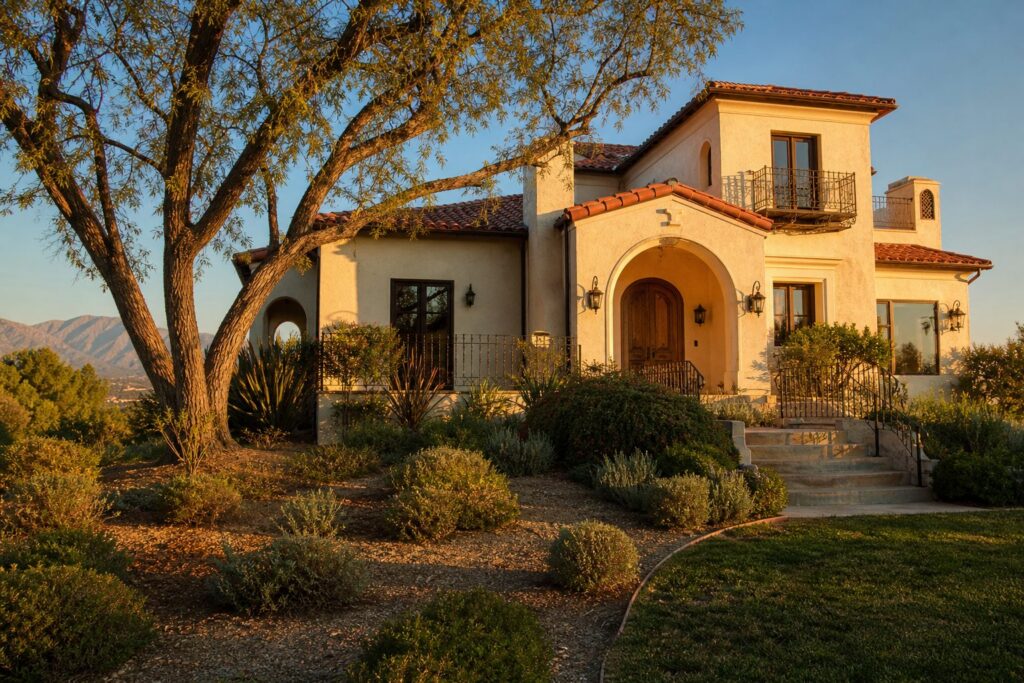
Could a single-payer wildfire insurance plan change everything for San Fernando Valley homeowners, buyers, and sellers?
California’s newly elected Insurance Commissioner Jane Kim has proposed a state-run “Natural Disaster Insurance for All” program that could reshape how you insure your home across the San Fernando Valley. Whether you own in Granada Hills, sell in Santa Clarita, or are buying in Sherman Oaks, this shift will affect your costs, your coverage, and your home’s marketability.
Why This Matters Right Now for the San Fernando Valley
If you own a home anywhere near fire-prone hillsides in the San Fernando Valley, you already know the pain. Premiums have been climbing relentlessly, and for many of you, the only option has been the California FAIR Plan, a last-resort policy that covers fire and little else.
Here is the scale of the problem: as of June 2026, the FAIR Plan’s total exposure has reached $768 billion, according to the California Department of Insurance. That figure represents an 11% increase since September 2025 and a staggering 250% increase since September 2022. Roughly 41% of residential structures in the highest-risk ZIP codes carry a FAIR Plan policy as of March 2026, per the same source, compared to about 4% in lower-risk areas.
What does that actually mean if you live in Granada Hills or the hillside pockets of Sylmar? It means you may already be paying $5,000 to $12,000 per year for bare-bones fire coverage, per Stanford CEPP research from June 2026, and that number just went up again. A 35.8% statewide FAIR Plan rate increase took effect on April 1, 2026, and the California Department of Insurance approved an additional 29.1% average rate increase effective October 15, 2026. For high-wildfire-risk properties, the actual increase is far steeper than the average.
This is the environment Jane Kim is stepping into when she takes office in January.
Who Is Jane Kim and What Is She Actually Proposing?
You might be wondering who exactly will be making insurance decisions that affect your home’s value and your monthly costs. Jane Kim won the California insurance commissioner race on November 3, 2026, defeating state Senator Ben Allen by a final margin of more than 400,000 votes (52.7% to 47.3%), according to CalMatters.
Kim is a Stanford-educated attorney and former San Francisco supervisor who ran Bernie Sanders’s 2020 presidential campaign operation. She is not a regulatory technocrat. She is a progressive political operator who believes the California insurance market needs structural overhaul, not incremental fixes.
Her signature proposal, which she calls “Natural Disaster Insurance for All,” would create a state-managed disaster insurance program for wildfire and flood risk. The concept is straightforward: remove those two perils from the private market entirely and build a public pool that all California homeowners would pay into through a portion of their premiums, with the state absorbing the catastrophic risk that private insurers have been fleeing from.
As Kim herself described it during her campaign: “Ideally, it would be one bill that would allow the state of California to open a public nonprofit insurance program, and it would be funded by premiums the same way the private market is.”
She has also called for penalties on insurers that delay claims, more transparency about how claims are handled, and caps on insurance executive pay. I find this particularly relevant for homeowners in our Valley communities because many of you have told me about the confusion and frustration that comes with navigating claims and coverage gaps.
How This Could Affect Granada Hills Sellers and Santa Clarita Homeowners
If you are planning to sell your home in Granada Hills, Santa Clarita, or any fire-adjacent San Fernando Valley neighborhood, insurance has become a transaction issue, not just a cost-of-living issue. Here is why.
When a buyer makes an offer on your home, their lender requires proof of insurance before funding the loan. If your property sits in a high fire-risk zone and the buyer can only obtain a FAIR Plan policy, the lender will typically also require a Difference in Conditions (DIC) policy alongside it. According to insurance industry data, only about half of FAIR Plan policyholders carry a DIC wrap, and brokers typically price that additional policy at 25% to 60% of the FAIR Plan premium.
For perspective, Granada Hills median home prices have climbed from $670,000 in 2020 to $950,000 in 2026, per SFV neighborhood trend data, a 41.8% increase. But that appreciation gets undercut when buyers face annual insurance costs of $8,000 to $15,000 or more, plus the complexity of assembling multiple policies just to close.
Stanford CEPP researchers have noted that “Californians’ dependence on the FAIR Plan is now showing up with mortgages in moderate- and low-wildfire-risk ZIP codes at twice the rate of its overall market share,” adding that “the problem is bigger than most people think.” More than one in 17 new California home loans is now being written with the most limited, most expensive coverage option as the only available choice.
So could Kim’s single-payer concept actually help sellers? If a state-run program simplified coverage into one policy at a more predictable cost, it would remove one of the biggest friction points in closing a sale. That is a significant “if,” and I will walk you through the realistic timeline below.
What You Can Do Right Now to Protect Your San Fernando Valley Home’s Value
Here is what I tell my clients who are living in this uncertainty: do not wait for Sacramento to solve this. Whether Kim’s proposal takes two years or five to materialize, you can take concrete steps today that both lower your premiums and make your home more attractive to buyers.
Home Hardening That Earns Real Discounts
California’s Safer from Wildfires regulation requires insurers that price by wildfire risk to give credit for specific mitigation measures. According to the California Department of Insurance sustainable insurance strategy, qualified improvements include:
- Class A roofs (fire-rated roofing materials)
- Ember-resistant vents that prevent ember intrusion
- Non-combustible Zone 0 (the first five feet around your home)
- Defensible space cleared to required distances
- Community programs like Firewise USA certification
The premium reductions are meaningful. Per industry data, standard mitigation efforts can earn roughly 12.5% to 22.5% off the wildfire-peril portion of your premium. Advanced home hardening bumps that to roughly 25% to 45%. An IBHS Wildfire Prepared Home Plus certification can yield 30% to 50% off that peril portion.
The Safe Homes Grant Program
If the cost of these improvements feels daunting, watch for the Safe Homes Grant Program established under AB 888. This program was set to open applications as early as spring 2026 to help income-qualified homeowners in high-risk areas pay for fire-safe roofs and Zone 0 work. With 10 five-star client reviews and a specialization in wildfire insurance issues, I stay on top of these programs specifically so you do not miss application windows.
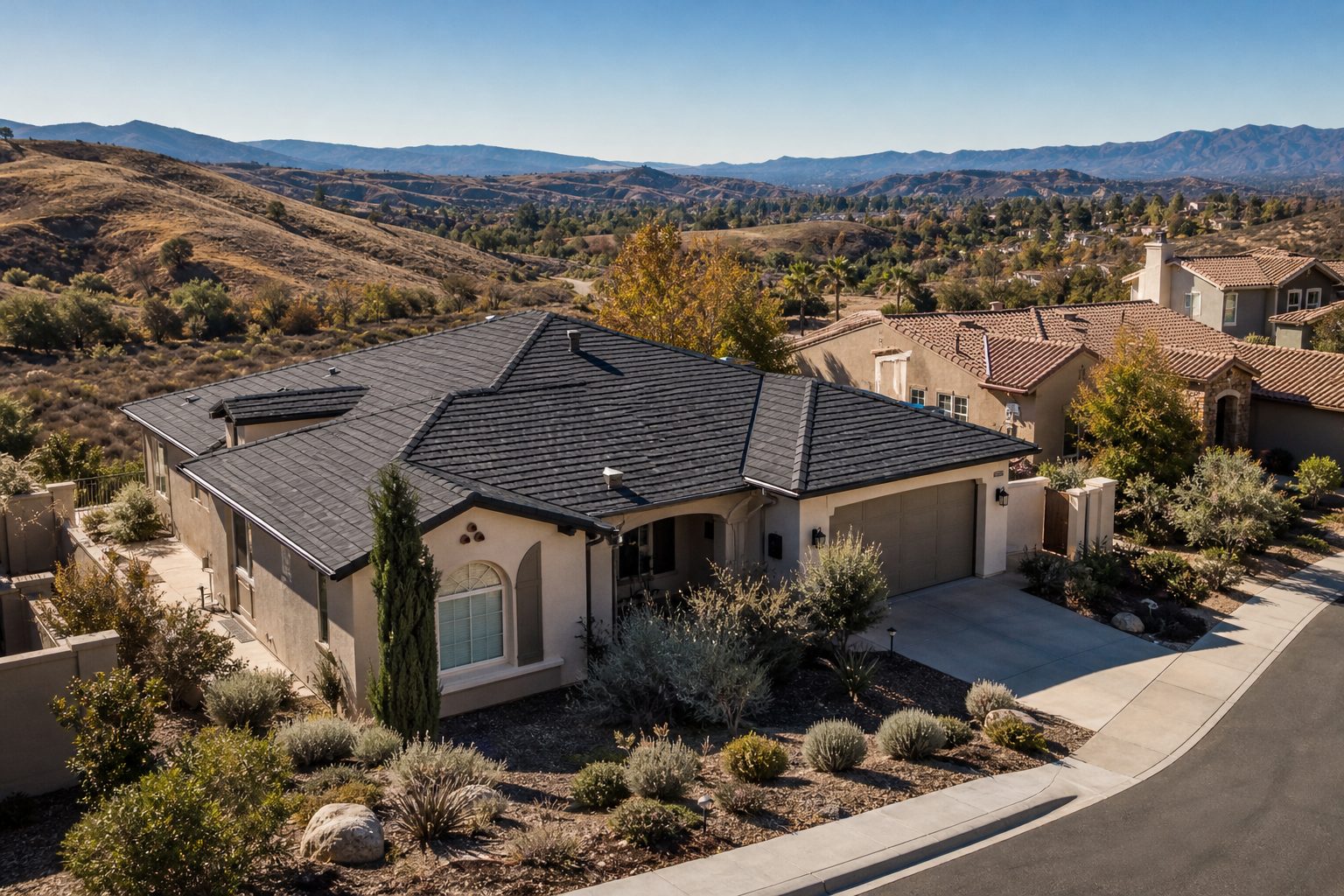
The Realistic Timeline: What Kim Can and Cannot Do Quickly
You deserve honest expectations here. Kim has acknowledged that launching public disaster insurance would be hard and could take years. Many insurance professionals note this would be one of the most significant changes to California’s insurance market in decades, requiring legislation, federal coordination, and political will that has not been fully tested yet.
What She Can Do Immediately
As commissioner, Kim has direct authority over rate approvals, enforcement actions, and regulatory priorities. She will inherit pending actions against insurers over their handling of claims from the January 2025 Eaton and Palisades fires, including a case where the outgoing commissioner’s office found violations of California law in claims handling. That case has not yet reached a formal hearing, which means Kim will decide what happens to it.
She can also push for faster implementation of mitigation credits and increase transparency around how insurers use wildfire risk models to set premiums. As Moira Birss of the Climate and Community Institute noted: “Right now we are relying on black-box models the industry uses to price our policies without any of us, including the commissioner, having real insight into the metrics used to set premiums.”
What Requires Legislation
The “Natural Disaster Insurance for All” concept would require at least one major bill through the California legislature. The American Property Casualty Insurance Association has already warned that “costly new mandates or regulatory actions” could reverse recent market progress. Consumer groups with insurance expertise have also raised concerns about the tremendous risk a public pool would place on the state.
Meanwhile, CalMatters reported that California homeowners insurance rates rose about 5% in the first half of 2026 despite existing reforms.
What San Fernando Valley Buyers Need to Know Before Making an Offer
If you are shopping for homes in Sherman Oaks, Woodland Hills, or anywhere across the SFV in 2026, insurance needs to be part of your due diligence from day one, not an afterthought before closing.
In Sherman Oaks, where single-family homes closed at a $1,710,000 median in Q1 2026 with a 27-day median days on market per local sales data, you cannot afford to discover insurance complications at the last minute. The same applies in Santa Clarita, where the median selling price for all residential properties was $815,000 in June 2026 (down 2% year over year, per SCVEDC data), and pending sales were down 25% year over year during that same month. Buyers are already taking more time to make decisions, and insurance complexity is one reason.
Before you write an offer, take these steps:
- Get insurance quotes before your offer is accepted, not after
- Ask your agent about the property’s fire risk designation and whether it falls in a FAIR Plan-dependent zone
- Budget for a DIC wrap on top of a FAIR Plan policy if needed
- Factor total insurance costs into your monthly housing budget, not just the mortgage payment
With a Circle of Excellence recognition and deep roots in both Santa Clarita and the San Fernando Valley, I walk every buyer through this insurance landscape before we start touring properties. It saves time, prevents heartbreak, and keeps your closing on schedule.
Frequently Asked Questions
What is Jane Kim’s “Natural Disaster Insurance for All” plan?
Kim’s proposal would create a state-run, nonprofit insurance program that removes wildfire and flood risk from private homeowners’ policies entirely. All California homeowners would pay into a public pool through premiums, and the state would absorb the catastrophic risk. Kim has said it would require legislation, and she has acknowledged it could take years to implement.
How much does FAIR Plan insurance cost in the San Fernando Valley in 2026?
The California FAIR Plan typically costs $3,000 to $3,200 per year statewide on average, according to Stanford CEPP data as of June 2026. However, properties in high-wildfire zones run $5,000 to $12,000 per year, with the most extreme ZIP codes reaching $32,000 or more. The 35.8% rate increase effective April 1, 2026, and the 29.1% increase effective October 15, 2026, have pushed these numbers even higher.
Does the FAIR Plan cover everything a regular homeowners policy covers?
No. The FAIR Plan covers fire, lightning, internal explosion, and smoke only. It does not cover liability, water damage, theft, or loss of use. You need a separate Difference in Conditions (DIC) policy to fill those gaps, and brokers typically price a DIC wrap at 25% to 60% of the FAIR Plan premium.
When does Jane Kim take office as insurance commissioner?
Kim takes office in January 2027, replacing term-limited Commissioner Ricardo Lara. She will be the ninth person, and the first woman and Asian American, to hold the job since it became an elected position in 1988, per CalMatters reporting.
Can home hardening actually lower my wildfire insurance premium in Granada Hills?
Yes. Under California’s Safer from Wildfires regulation, insurers that price by wildfire risk must give credit for specific mitigation. Standard measures can reduce the wildfire-peril portion of your premium by roughly 12.5% to 22.5%, while advanced home hardening and IBHS certification can yield 30% to 50% reductions, per industry data.
How many California homes are on the FAIR Plan as of 2026?
The FAIR Plan held roughly 668,000 policies entering 2026, up from about 154,000 in 2019, according to the California Department of Insurance. Total exposure has reached $768 billion as of June 2026.
Will Kim’s proposal lower my insurance costs immediately?
No. Kim herself has acknowledged that launching a public disaster insurance program would be hard and could take years. In the near term, she can use her commissioner authority to push for enforcement, transparency, and mitigation credits, but the structural “Natural Disaster Insurance for All” plan requires legislation.
How are rising insurance costs affecting Santa Clarita home sales?
Santa Clarita’s housing market has softened in 2026, with pending sales down 25% year over year in June and down 39% in July, per SCVEDC data. While insurance is not the sole factor, the complexity and cost of obtaining coverage in fire-risk zones is contributing to longer decision timelines for buyers and more difficult closings for sellers.
What is the Make It FAIR Act?
This pending legislation, announced by outgoing Commissioner Lara and Assembly Insurance Committee Chair Lisa Calderon, would overhaul the FAIR Plan by strengthening claims handling, expanding coverage options, and improving transparency. It addresses systemic problems identified in the Department’s Report of Examination, which found the FAIR Plan had failed to comply with 17 critical recommendations.
Should I wait for the new commissioner before buying or selling in the San Fernando Valley?
I would not recommend waiting. Kim’s most ambitious proposals are years from implementation. Average California homeowners insurance premiums have already risen 84% between the end of 2020 and March 2026, per Stanford CEPP data. Taking action now on home hardening, proper coverage, and smart pricing protects your investment regardless of what Sacramento does next.
The Bottom Line
The insurance landscape in the San Fernando Valley and Santa Clarita is evolving rapidly. Jane Kim’s election introduces the possibility of structural change, but the reality is that meaningful reform will take time. What you can control right now is how you prepare: hardening your home, understanding your coverage gaps, budgeting accurately for insurance costs, and working with someone who understands how wildfire risk affects real estate transactions in your specific neighborhood.
Whether you are a homeowner in Granada Hills watching your FAIR Plan premium climb, a buyer trying to close on a Santa Clarita property, or a seller worried that insurance complications will derail your deal, I am here to help you navigate it. As a real estate advisor with Park Regency Realty, licensed as DRE 01983686 and specializing in wildfire insurance impacts across the San Fernando Valley and Santa Clarita, I make it my job to stay ahead of these changes so you can make confident decisions. Reach out to me, Violetta Agadjanova, at 818-620-7635 whenever you are ready to talk through your options.