
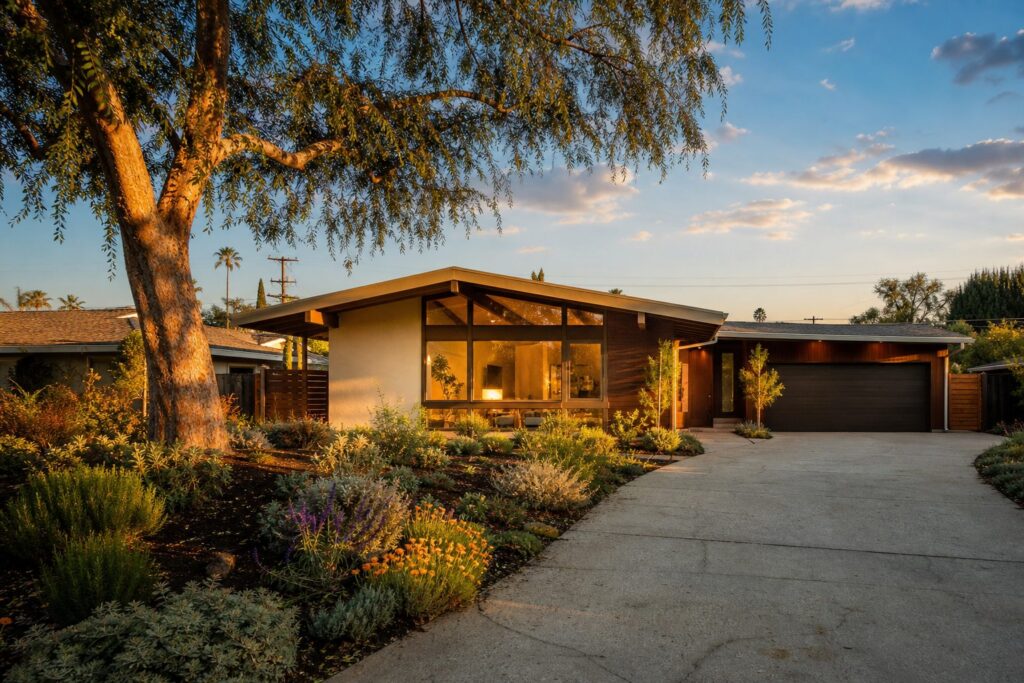
Should you buy a home in the San Fernando Valley now, or is waiting until 2027 the smarter move?
For most buyers in the San Fernando Valley right now, waiting for dramatically better conditions in 2027 is unlikely to pay off. Prices are expected to hold steady or rise modestly, and mortgage rates are not forecast to drop significantly.
Why This Question Matters Right Now in the San Fernando Valley
I hear this question constantly. Whether you are renting in Northridge, eyeing your first home near Ventura Boulevard in Sherman Oaks, or thinking about upgrading to more space in Woodland Hills, you are facing the same dilemma: commit now at today’s rates, or hold out for something better?
Here is the reality. Across the broader San Fernando Valley, the median closed price for single-family homes sits at $1,224,500 as of mid-2026, according to local MLS data. Meanwhile, mortgage rates are averaging 7.45% for a 30-year fixed as of October 2026, per LendingTree. Those numbers can feel intimidating. But what I tell my clients is that the conditions you are hoping for in 2027 may not materialize the way you expect. The data tells a story worth understanding before you make this call.
With 7 years of experience serving buyers and sellers throughout the San Fernando Valley and Santa Clarita, and having earned a Circle of Excellence designation, I have walked clients through multiple shifting markets. Let me share what the numbers actually suggest.
What Mortgage Rate Forecasts Tell San Fernando Valley Buyers About 2027
This is the single most important variable in your decision. So, what do the experts actually predict?
- Fannie Mae projects 30-year rates averaging approximately 6.3% through most of 2027, dropping to roughly 6.2% by Q4 2027
- The Mortgage Bankers Association expects rates to average 6.5% in both 2026 and 2027
- The National Association of Home Builders forecasts rates averaging 5.96% in 2027, though NAHB economist Eric Lynch notes the group “does not expect the 30-year fixed to be consistently below 6% until the end of 2027”
- Wells Fargo projects roughly 6.2% on average for 2027
What does that mean for you in practical terms? If you are waiting specifically for a 4% or 5% rate, no mainstream forecaster is calling for that. According to analysis from Norada Real Estate, rates are more likely to hover between 5.6% and 6.4% in 2027. That is an improvement from today’s 7.45%, but it is not the dramatic drop many buyers imagine.
Here is something I always remind my clients: you can refinance a rate, but you cannot renegotiate a purchase price after the fact. If rates do come down in 2027, you can refinance into a lower payment. But if prices climb while you wait, that savings disappears.
How San Fernando Valley Home Prices Could Shift by 2027
Will prices drop and reward your patience? Let me walk you through what the leading forecasters say at the national level, because these trends directly shape what happens locally.
- J.P. Morgan expects home prices to remain flat in 2026 and increase by 3% in 2027
- Goldman Sachs projects a 0.8% increase in 2026 followed by 2.3% growth in 2027
- Fannie Mae’s Home Price Expectations Survey (polling over 100 economists) anticipates 1.7% growth in 2026 and 2% growth in 2027
- Morgan Stanley projects 2% growth in 2026 and 3% in 2027
Not a single major forecaster is predicting a national price decline. Now consider the San Fernando Valley specifically. In Sherman Oaks, the average home price sits around $1.5 million, and price growth in nearby Studio City has been averaging about 5% per year according to local market data. Even a conservative 2% increase on a $1,224,500 single-family home in the Valley would add roughly $24,000 to the price tag by next year.
So the question becomes: is saving potentially $100 to $200 per month on a slightly lower interest rate worth paying $24,000 or more for the same house? For most buyers, the math does not favor waiting.
The Negotiating Power You Have Right Now in Northridge and Beyond
Here is something many buyers overlook. Right now, you actually have meaningful leverage at the negotiating table, and that window may not stay open.
Nationally, existing-home inventory reached 1.47 million units in April 2026, up 5.8% year-over-year, per NAR data. That is approaching the 5 to 6 month supply range that signals a balanced market. More inventory means less competition for you.
Even more encouraging for San Fernando Valley buyers: 52.9% of recent SFV transactions included seller concessions, with a median concession of $25,000, according to local MLS data. That means more than half of all buyers are successfully negotiating closing cost credits and rate buydowns.
What does that look like in practice? If you are shopping in Northridge or Granada Hills, you could potentially negotiate a 2-1 rate buydown funded by the seller, bringing your effective first-year rate significantly below 7.45%. That kind of deal structure is harder to come by in a hot market, and if rates drop in 2027, increased buyer competition could eliminate that leverage entirely.
I specialize in working with first-time homebuyers and move-up buyers throughout the Valley, and negotiating these types of concessions is one of the most impactful things I do for my clients. Rated 5 out of 5 stars by past clients, I take this kind of strategic positioning seriously because it directly impacts your monthly payment.
Why Renters in the San Fernando Valley Should Think Twice About Waiting
If you are renting in the Valley and debating whether to keep waiting, consider the cost of delay from a different angle. Every month you rent is a month you pay someone else’s mortgage. That is not new information. But here is how it adds up locally.
With Valley rents for a two-bedroom running well above $2,500 per month in most neighborhoods, you could spend $30,000 or more in rent during a 12-month wait. That money builds zero equity.
Meanwhile, even in a flat appreciation environment, homeownership gives you principal paydown with every mortgage payment. And if prices do rise even modestly (as virtually every forecaster predicts), you are building wealth instead of watching from the sidelines.
According to Freedom Mortgage’s market outlook, buyers may find themselves with more negotiating power as we enter the slower fall and winter months. That is right now, in Q4 2026. This seasonal advantage does not last forever.
Who Should Actually Wait Until 2027 in the San Fernando Valley
I want to be honest. Buying now is not the right move for everyone. Here are situations where waiting could genuinely make sense:
- Your credit score needs work. If you are below 620 and a few months of focused effort could push you into a better rate tier, that patience pays off
- You do not have enough saved for closing costs. With median concessions of $25,000 available in the SFV, your out-of-pocket costs may be lower than you think, but you still need reserves
- Your employment is unstable. Lenders want to see steady income, and buying during a career transition adds unnecessary risk
- You are relocating and have not yet chosen your Valley neighborhood. Sherman Oaks south of Ventura Boulevard runs $1.2M to $1.6M, while north of Ventura stays more accessible at $900K to $1.2M, per local market data. Those are dramatically different budgets. Take time to learn the neighborhoods
If none of those situations apply to you, the data suggests that buying sooner rather than later is the stronger financial decision.
Frequently Asked Questions
Will mortgage rates drop below 6% in 2027?
Most forecasters say not until late 2027 at the earliest. NAHB expects rates to average 5.96% in 2027 but notes they do not expect the 30-year fixed to be “consistently below 6% until the end of 2027,” per U.S. News and World Report. Fannie Mae is less optimistic, projecting rates staying around 6.2% to 6.3% throughout 2027.
Will San Fernando Valley home prices drop in 2027?
No major forecasting institution predicts a national price decline for 2027. J.P. Morgan projects 3% price growth in 2027. Locally, with Valley single-family home median prices at $1,224,500 as of mid-2026 and persistent demand, meaningful price drops are unlikely. Waiting could mean paying more.
Is it better to buy now and refinance later?
In many cases, yes. If you lock in today’s purchase price and negotiate seller concessions (available in 52.9% of recent SFV transactions per local MLS data), you can reduce your effective rate now and refinance when rates improve. You capture today’s price and tomorrow’s lower rate.
How much are seller concessions in the San Fernando Valley right now?
The median seller concession in recent SFV transactions is $25,000, and more than half of all deals include them, per local MLS data from mid-2026. These concessions commonly fund rate buydowns, closing cost credits, or prepaid expenses.
What is the median home price in the San Fernando Valley in 2026?
As of mid-2026, the median closed price for all property types in the San Fernando Valley is $1,034,250, with single-family homes at $1,224,500, according to local MLS data. Sherman Oaks averages around $1.5 million, while other Valley communities offer more accessible entry points.
Should first-time buyers in Northridge or Granada Hills buy now?
For qualified first-time buyers in these communities, the current market offers advantages that may not exist in 2027: growing inventory, strong seller concession rates, and seasonal leverage during Q4. Programs like CalHFA’s MyHome Assistance can help with down payments up to 3.5% of the purchase price.
What will happen to housing inventory in 2027?
Experts project continued sluggish inventory growth through 2027, according to Freedom Mortgage’s market outlook. Higher-than-expected mortgage rates make current homeowners reluctant to give up their existing low-rate mortgages, so dramatic inventory increases are unlikely.
Are new-build homes a good option in the San Fernando Valley?
Nationally, the median new-home price of $387,400 in March 2026 sat $30,300 below the comparable existing-home figure, per data compiled by theworlddata.com. Builders have been offering smaller floor plans, incentives, and rate buydowns to attract buyers, making new construction worth exploring.
How much does waiting one year cost in rent?
At typical Valley rental rates above $2,500 per month for a two-bedroom, a 12-month delay costs over $30,000 in rent payments that build zero equity. Combined with potential price appreciation of even 2%, the total cost of waiting can exceed $50,000 in lost financial positioning.
Can I negotiate a better deal buying in fall or winter?
Yes. According to Freedom Mortgage, buyers may find more negotiating power during the slower fall and winter months. Fewer competing offers typically means sellers are more willing to offer concessions, cover closing costs, or accept prices below asking.
The Bottom Line
The data points in one direction for most San Fernando Valley buyers: the conditions you are hoping for in 2027, such as dramatically lower rates or falling prices, are simply not what the experts forecast. With seller concessions available in over half of Valley transactions, inventory rising, and the seasonal advantage of buying in Q4 2026, you are in a stronger negotiating position today than you may be next year.
Every situation is different, and that is exactly why working with an advisor who understands your financial considerations of buying a home matters. I am Violetta Agadjanova with Park Regency Realty, and I help buyers throughout the San Fernando Valley, Santa Clarita, Granada Hills, and surrounding communities make confident, well-informed decisions. If you are weighing whether now is your time, I would love to walk through your numbers and your options. Reach me at 818-620-7635 to start that conversation.
*This blog is for informational purposes and does not constitute financial advice. Consult with a licensed mortgage professional to evaluate your specific financial situation. DRE License #01983686.*