
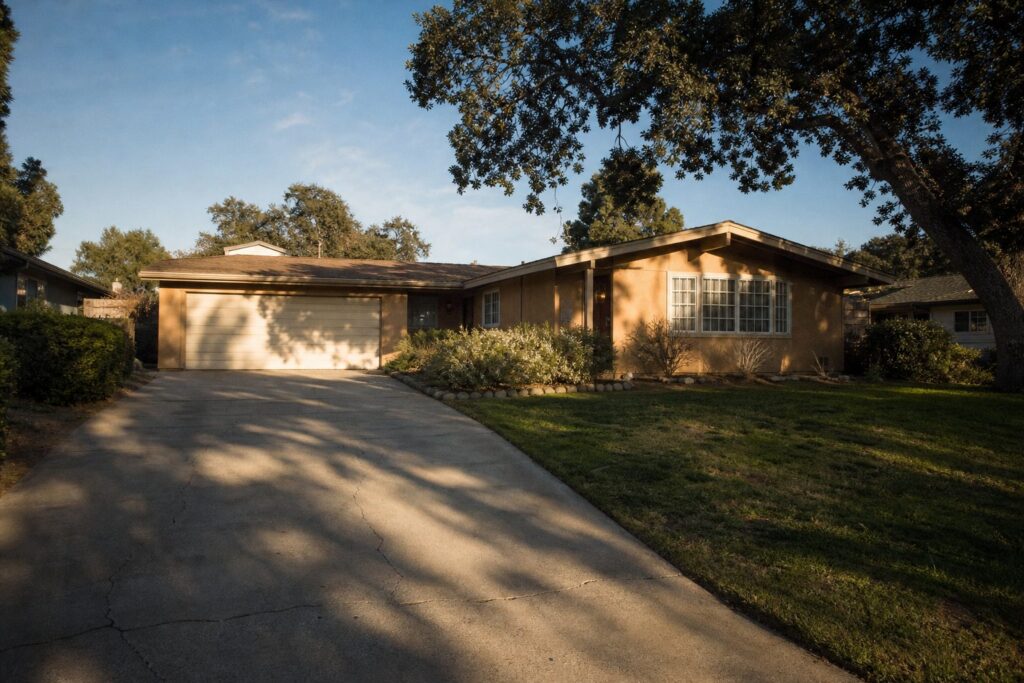
You found the perfect home in Santa Clarita, but it needs work. Should you still buy it?
Yes, if the home has solid bones and the purchase price plus realistic renovation costs stay well below what comparable move-in-ready homes sell for in the same Santa Clarita neighborhood. The key is knowing what to inspect, what to negotiate, and when to walk away.
Why This Matters for Santa Clarita Buyers Right Now
I work with buyers across the Santa Clarita Valley every week, and the same conversation keeps coming up: you love the neighborhood, you love the layout, but the kitchen is stuck in 1992 and the bathrooms need serious attention. Do you pass and keep searching, or do you make it yours?
Here is the reality. According to NAR data, as of mid-2026, the national median home price has climbed to an all-time high of $440,600. In Valencia specifically, the median sale price sits at $782,000 over the last three months, per recent market data. NAHB estimates a nationwide shortage of roughly 1.2 million housing units, and housing inventory nationally remains about 17% below pre-pandemic levels. That means move-in-ready homes at fair prices are getting scooped up fast, and a fixer-upper in a neighborhood like Valencia, Saugus, or Canyon Country could be your smartest path in.
But “smart path” only works if you evaluate the property correctly. So let me walk you through exactly how I help my clients think through this decision.
How to Tell the Difference Between Cosmetic Updates and Expensive Repairs in Santa Clarita
This is the single most important distinction you need to make before writing an offer on any home that needs work. Not all “projects” are created equal.
What Counts as Cosmetic
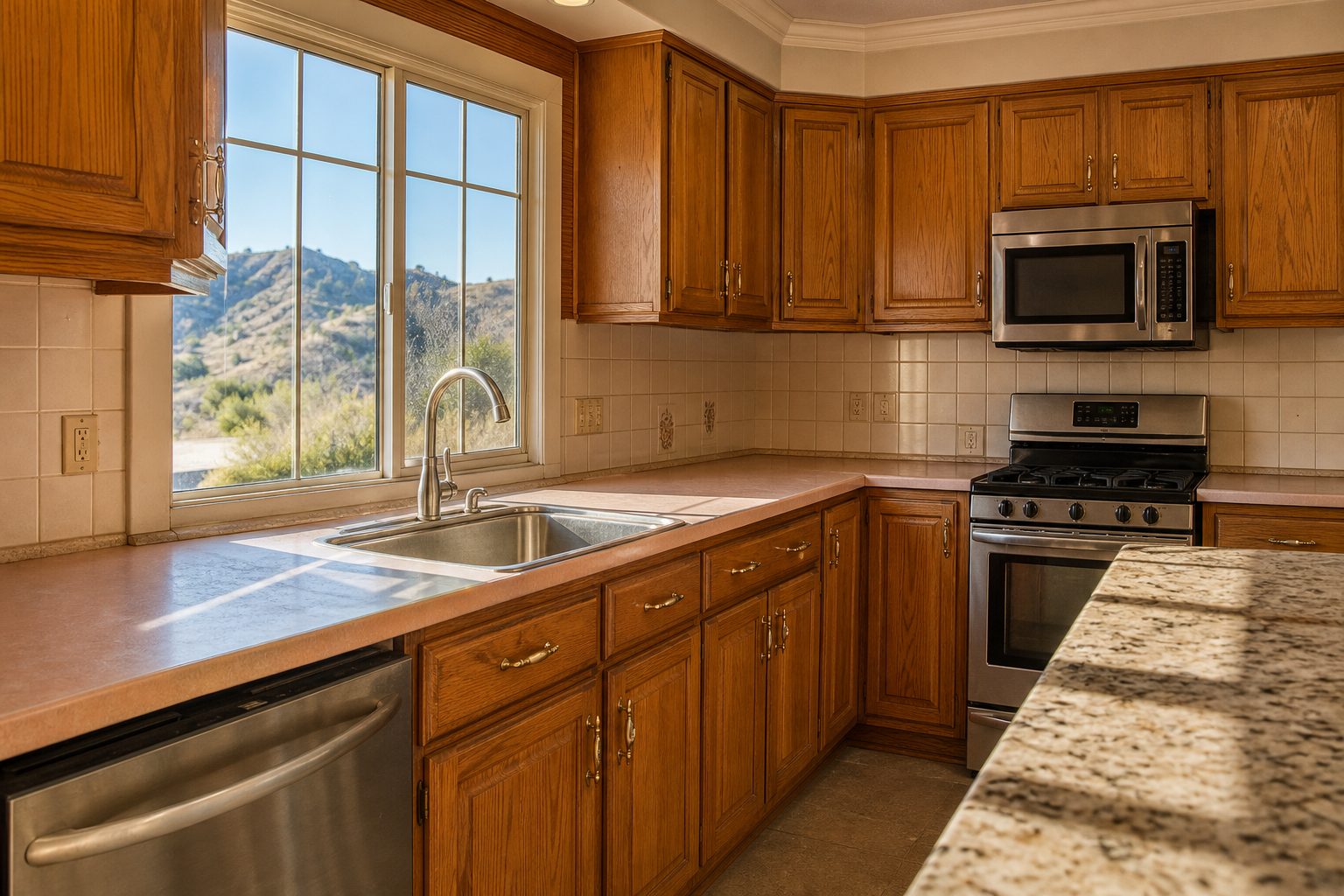
Cosmetic issues are things that do not affect the structural integrity or safety of the home. Think outdated paint colors, worn carpet, old countertops, brass light fixtures from the 1990s, and dated tile. These are affordable to address after you move in, and they should never scare you away from a good property. What I tell my clients is this: if you can change it without hiring an engineer or pulling a major permit, it is cosmetic.
What Gets Expensive Fast
The problems that blow budgets hide behind walls, under foundations, and inside aging systems. According to industry cost data from costtorenovate.com and amerisave.com, here is what the big-ticket items actually cost:
- Foundation repair: $2,000 to $15,000
- Whole-house rewiring: $3,500 to $15,000
- Roof replacement: $5,800 to $14,000
- Sewer line repair: $1,500 to $10,000
- Galvanized pipe replacement: $5,000 to $15,000
- Pest damage repair: $10,000 to $30,000
When you are touring a home near Bouquet Canyon or off Soledad Canyon Road and you notice cracked stucco, sloping floors, or water stains on the ceiling, those are signals to bring in specialists before you fall in love.
The Inspection Strategy I Recommend for Every Santa Clarita Fixer-Upper
A standard home inspection runs $400 to $600, and it is absolutely essential. But here is something many buyers do not realize: a standard inspection explicitly excludes most of the issues that destroy fixer-upper budgets. Both ASHI and InterNACHI scope out anything behind walls, plus mold, asbestos, lead paint, radon, and septic systems.
So what do you do? You treat the general inspection as the beginning of your due diligence, not the end of it.
Specialized Inspections Worth Every Dollar
Based on age and condition, consider adding:
- Structural engineer inspection: $500 to $1,200 (for foundation concerns, sagging floors, or crack patterns)
- Pest inspection: $75 to $150
- Mold assessment: $300 to $1,000
- Sewer scope: roughly $100 to $200
That sewer scope is the single highest-value inspection you can order on a pre-1980 home. The failure mode it catches, a collapsed or root-invaded sewer line, is a five-figure problem buried under your yard. For many of the older homes in Newhall and parts of Saugus, this is not optional.
For homes built before 1978, you should also consider an asbestos and lead paint assessment. Popcorn ceilings, old floor tile, and pipe insulation from that era may contain materials that require professional remediation.
How to Run the Numbers on a Santa Clarita Fixer-Upper
Falling in love with a property is easy. Protecting your investment takes discipline. Here is the framework I walk through with every buyer considering a home that needs work.
The 70% Rule
The most reliable pricing framework for a fixer-upper is the 70% rule. Take the after-repair value (what the home would sell for fully renovated), multiply by 0.70, and subtract your estimated repair costs. The result is your maximum offer. This builds in a margin of safety for surprises, and renovation projects reliably uncover surprises once walls come open.
The Two Adjustments Everyone Forgets
First, add a contingency of at least 10% to 20% to any contractor’s repair estimate. Second, if the home will be uninhabitable during the work, budget for somewhere to live. Paying rent and a mortgage simultaneously has broken more fixer-upper budgets than any single repair.
Let me put this in Santa Clarita terms. Valencia 3-bedroom homes have appreciated from $600,000 in 2020 to $843,000, a gain of 40.5% according to recent market data. If you can purchase a dated property in Valencia at $650,000, invest $80,000 in smart renovations, and the finished home is worth $800,000 or more, that math works. But if you are stretching to $720,000 on the purchase and the renovation balloons to $120,000, you have erased your margin entirely. With Valencia projected to see 2% to 4% appreciation over the next 12 months, the upside is there, but only if you buy right.
Red Flags That Should Make You Walk Away from a Santa Clarita Property
Not every fixer is a diamond in the rough. Some are money pits wearing a fresh coat of paint. Here are the situations where I advise my clients to keep looking.
Structural and Safety Deal-Breakers
- Foundation cracks wider than a quarter inch
- Active water intrusion or visible mold growth
- Knob-and-tube or aluminum wiring
- Polybutylene or galvanized steel plumbing throughout the house
- Unpermitted additions or structural modifications
- Sellers who refuse to allow inspection access
If total costs (purchase plus renovation plus carrying costs) exceed 80% of after-repair value, the deal does not work. If a seller will not let you scope the sewer, pull an attic hatch, or access the crawl space, you are being asked to price a risk you are not allowed to measure.
The Unpermitted Work Problem
This comes up more than you might think, especially with converted garages and enclosed patios. Unpermitted work can require tear-out and redo to current code. Always pull permit history from the local building department before making your final decision.
How to Negotiate Repair Credits on a Santa Clarita Home
Once your inspections are complete, you have leverage. If the inspection reveals problems, your options include:
- Requesting a price reduction equal to the estimated repair costs
- Asking the seller to complete specific repairs before closing
- Requesting a credit at closing to cover repairs yourself
What I always remind clients is this: protect yourself with contingency clauses for home inspection, appraisal, financing, and final walkthrough. On a fixer-upper, never waive these. A home inspection contingency allows you to walk away if significant defects are discovered and get your full deposit back.
With 10 five-star reviews from past clients and a Circle of Excellence designation, I have seen how the right negotiation strategy can save buyers thousands of dollars, and how the wrong one can cost even more. As a specialist in buyers representation and real estate negotiation, this is the part of the process where having an experienced advisor beside you matters most.
Financing Options That Make Santa Clarita Fixers More Accessible
If you find a home with potential but need help financing the renovation, the FHA 203(k) loan rolls purchase price and renovation costs into a single mortgage.
- Limited 203(k): Covers non-structural repairs totaling $35,000 or less, including kitchen remodels, bathroom updates, flooring, roofing, HVAC, and painting
- Standard 203(k): No dollar cap on repairs; covers structural modifications, room additions, and complete gut renovations
These programs can be especially valuable for first-time buyers trying to break into Santa Clarita’s market, where entry-level detached homes in Valencia start around $650,000 and condos and townhomes range from $500,000 to $620,000. For more information about homebuying costs and processes, the Consumer Financial Protection Bureau has comprehensive resources for buyers navigating renovation financing.
Frequently Asked Questions
How much less do fixer-uppers typically sell for compared to move-in-ready homes?
Fixer-uppers usually sell for 20% to 30% less than what comparable finished homes sell for in the same market, according to industry data. However, if you do not plan wisely, the expense of renovations can eat up those savings. The key number to focus on is purchase price plus true repair costs compared against what finished homes actually sell for in your Santa Clarita neighborhood.
What is the most important inspection to get on an older Santa Clarita home?
A sewer scope is the highest-value add-on inspection for any pre-1980 home. It costs roughly $100 to $200 and catches a failure mode (collapsed or root-invaded sewer lines) that can cost $1,500 to $10,000 to repair. Many older homes in Newhall and Saugus have original sewer lines that should be scoped before you commit.
Should I worry about cosmetic issues like outdated kitchens or old carpet?
No. Cosmetic issues like paint, flooring, countertops, and fixtures are affordable to address after you move in and are not essential to the functioning of the house. Look past the surface and focus on the structural bones: foundation, roof structure, plumbing material, and electrical panel capacity.
What is the 70% rule for buying a fixer-upper?
Take the after-repair value (what the home would sell for fully renovated), multiply by 0.70, and subtract your estimated repair costs. The result is your maximum offer price. This ensures that purchase price plus renovation costs never exceed 70% of the finished home’s value.
When should I walk away from a Santa Clarita fixer-upper?
Walk away if total costs exceed comparable move-in-ready homes, major structural repairs exceed $40,000 to $50,000, the seller refuses to allow full inspections, renovation costs exceed your budget by 20% or more, or renovation timelines stretch past 12 months while you carry two housing payments.
Can I negotiate a price reduction based on inspection findings?
Yes. You can request a price reduction, ask the seller to complete repairs before closing, or request a credit at closing to handle repairs yourself. Your home inspection contingency gives you this leverage. On a fixer-upper, never waive contingencies.
What plumbing materials should concern me in a Santa Clarita home?
Copper and PEX piping are reliable. Galvanized steel means eventual full replacement at $5,000 to $15,000. Polybutylene (gray flexible pipe, common in homes built 1978 to 1995) is especially problematic, as many insurers will not cover homes with it.
What financing options exist for buying a home that needs renovation?
The FHA 203(k) loan finances both the purchase price and renovation costs in a single mortgage. The Limited 203(k) covers non-structural repairs up to $35,000, while the Standard 203(k) has no dollar cap and covers structural work including additions and foundation repair.
How much contingency should I add to renovation cost estimates?
Add a contingency of at least 10% to 20% to any repair estimate. Renovation projects reliably uncover hidden problems once walls come open, and without that buffer, you risk blowing past your budget on unexpected discoveries.
Is a fixer-upper a good investment in Santa Clarita’s current market?
It can be. Valencia 3-bedroom homes have appreciated 40.5% from 2020 to 2026, per recent market data, and the area is projected to see 2% to 4% appreciation over the next 12 months. If you buy a fixer at the right price, renovate strategically, and the math follows the 70% rule, the upside is real.
The Bottom Line
A Santa Clarita home that needs work is not automatically a bad buy, and it is not automatically a great deal either. The answer depends entirely on what kind of work it needs, what the numbers look like after honest cost estimates, and whether you have the right inspections and contingencies in place to protect yourself.
I help buyers across the Santa Clarita homes for sale, San Fernando Valley, and surrounding communities evaluate exactly these decisions every day. Whether you are eyeing a home near the Valencia paseo trails, looking at older inventory in Saugus, or exploring opportunities in Canyon Country, I would love to help you figure out whether that fixer is your future home or a deal worth passing on. Reach out to me, Violetta Agadjanova with Park Regency Realty, at 818-620-7635 to talk through your specific situation. My goal is always the same: help you make a confident decision you will feel good about long after closing.