
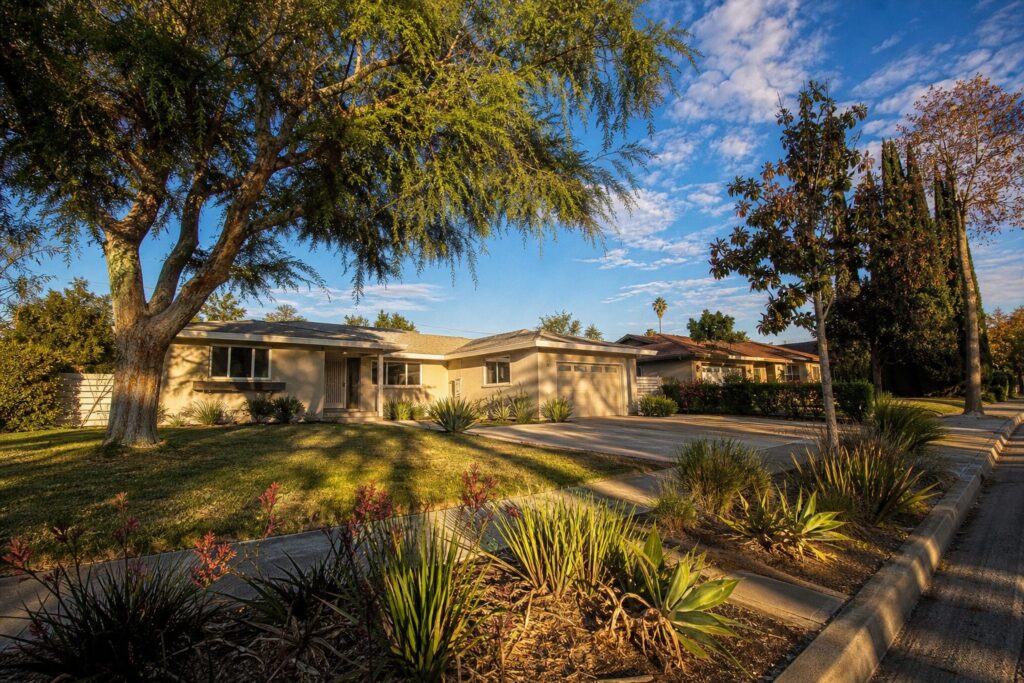
What is the pricing sweet spot between the price you want for your San Fernando Valley home and the price buyers will actually pay?
The sweet spot is the price supported by recent comparable sales in your specific neighborhood pocket, positioned to generate maximum buyer traffic in the first 14 days on market, not the number that feels right based on what you paid or what you need for your next move.
Why Pricing Strategy Matters More Than Ever in the San Fernando Valley
If you’re thinking about selling your home in Granada Hills, Northridge, or Santa Clarita, here’s what you need to understand about the 2026 market: nationally, existing home sales have fallen 4.2% over the first half of the year, according to NAR. Buyers are more cautious, more informed, and more selective than at any point in the last five years.
That said, the northwest San Fernando Valley tells a more nuanced story. In Granada Hills, based on 268 tracked closings over the last six months, the median sold price is $1,000,000 at $545 per square foot. In Northridge, 285 closed sales over the same period put the median at $1,060,000 at $509 per square foot. These are strong numbers. But they mask a critical split: move-in-ready homes priced correctly are selling in 14 to 22 days, while overpriced properties are sitting 45 to 60 or more days. That gap is where your pricing decision lives, and it can mean tens of thousands of dollars to your bottom line.
The Emotional Pricing Trap Granada Hills Sellers Fall Into
Here’s something I see regularly with sellers across the northwest Valley. You’ve lived in your home for years. You’ve raised your family there, maybe off Gothic Avenue or Westbury Drive. You remember what you paid, you’ve calculated your improvements, and you have a number in your head. That number feels fair to you.
But pricing in 2026 is not about proving what your house is worth to you. It’s about proving why a buyer should choose it over the other Granada Hills listings they’re watching this weekend. Buyers track price reductions, days on market, and neighborhood trends in real time. They know when a home is overpriced before they even schedule a showing.
What does that look like in practice? Consider a seller in Granada Hills South, where the typical 1950s to 1970s tract home closes between $850,000 and $925,000. If that seller lists at $975,000 because they’re “leaving room to negotiate,” the home doesn’t show up in the search filters of buyers shopping up to $950,000. And the buyers searching up to $1,000,000 compare it unfavorably to more updated properties. The home sits, accumulates days on market, and eventually sells after a price reduction for less than it would have fetched at $919,000 on day one.
So how do you avoid this trap? You start with the data, not the emotion.
How a Comparative Market Analysis Works in Northridge and Santa Clarita
The foundation of smart pricing is what I call a rigorous CMA, or Comparative Market Analysis. You need to look at homes that actually sold, not ones that are listed or pending, within the last 90 days, within about a half-mile to one mile of your property, and similar in size (within 10 to 20 percent), condition, age, and style.
In Northridge, this matters enormously because the price range is so wide. The middle half of all sales close between $785,301 and $1,375,000. A smaller three-bedroom, two-bath tract home south of Nordhoff near White Oak Avenue is a completely different product than a Northridge Estates home on a cul-de-sac northwest of CSUN. If you’re comparing your home to the wrong comps, your price will be wrong from day one.
A strong CMA should include:
- 6 to 12 genuinely comparable closed sales adjusted for differences like pools, updated kitchens, extra bedrooms, and lot size
- Active listings, which represent your direct competition
- Expired listings, which are homes that failed to sell, often because they were overpriced
With 10 five-star client reviews and a Circle of Excellence designation, I build every pricing recommendation on this kind of granular, pocket-level data. Not automated estimates. Not guesswork. Actual closed transactions in your specific micro-neighborhood.
The Three Pricing Tiers and What Each One Means for Your Sale
You essentially have three strategic options when pricing your San Fernando Valley home. Each produces a different outcome, and you should choose based on your priorities and timeline.
Pricing for Speed (96 to 98 Percent of Market Value)
You list slightly below the most recent comparable sales. This generates maximum showings in the first one to two weeks and often sparks competing offers. Total time from list to close typically runs 30 to 45 days. This works well if you’re relocating, downsizing on a deadline, or simply want the process over efficiently. With Granada Hills’ list-to-sale ratio sitting at 99.1%, according to recent tracked data, correctly priced homes are already closing near their asking price.
Pricing at Market Value (100 Percent of Comps)
This is the “sweet spot” for most sellers. You price at exactly what the data supports. Expect offers within 14 to 28 days at 96 to 98 percent of your asking price, with a total timeline of 45 to 65 days. This is what I recommend for most of my clients who want to maximize their net proceeds without gambling.
Pricing for “Top Dollar” (102 to 105 Percent Above Market)
This is where sellers get into trouble. You’re testing the market, hoping someone will pay a premium. In reality, expect 30 to 60 or more days on market, an eventual reduction to 100 to 102 percent of market value, and a final closing price of 95 to 98 percent of your reduced list. The carrying costs alone, including mortgage, taxes, utilities, and insurance, can add up to $5,000 to $15,000 before you make the price correction that should have happened at the start.
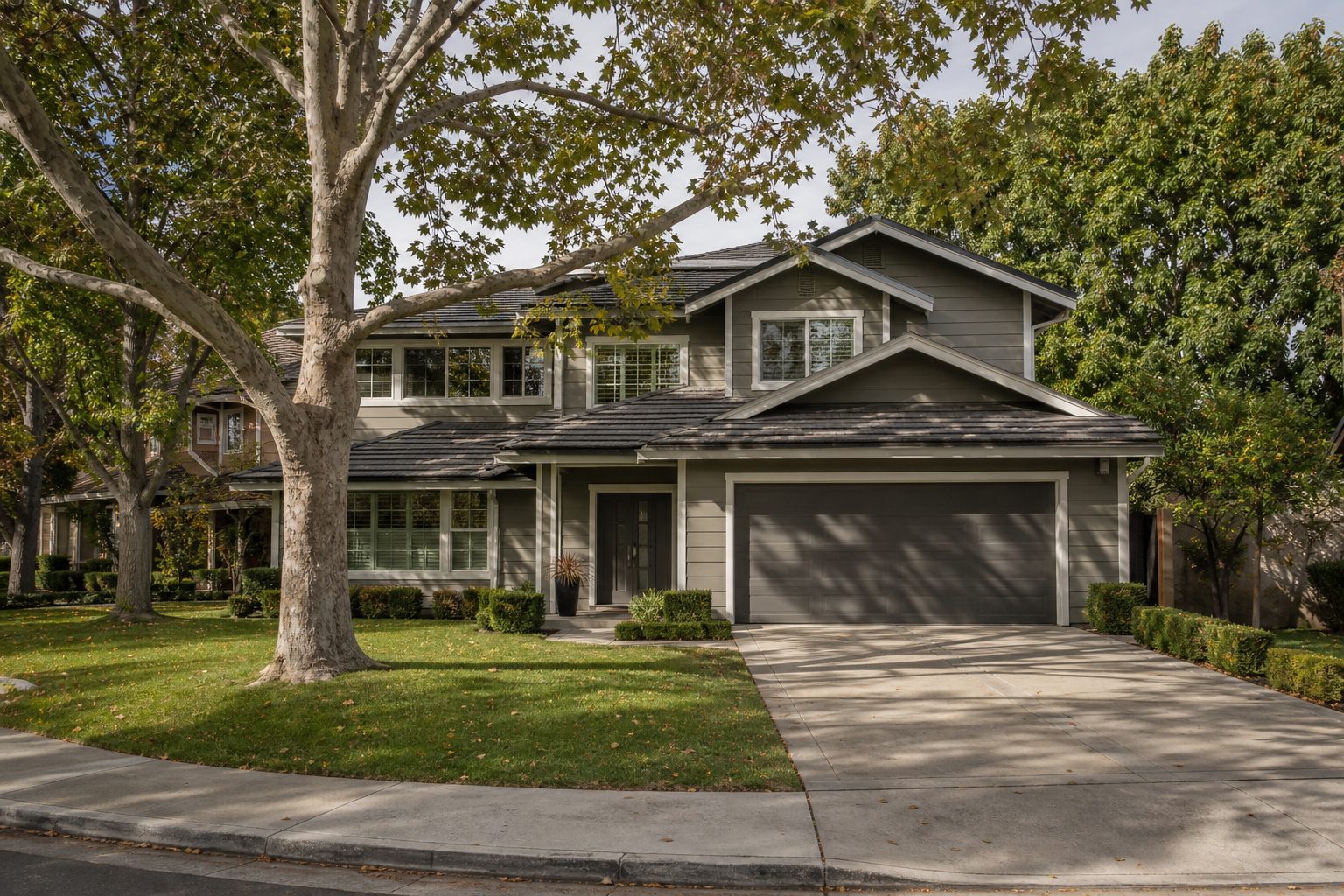
The Search Filter Strategy That San Fernando Valley Sellers Overlook
Here’s a detail that surprises many sellers: pricing just below round-number search thresholds can dramatically increase your home’s visibility. A home listed at $999,000 appears in every buyer search capped at $1,000,000. A home listed at $1,005,000 does not. In a market like Northridge, where the median hovers around $1,060,000, the difference between listing at $1,049,000 and $1,055,000 could determine whether hundreds of additional buyers ever see your property.
Similarly, if you’re selling in the Granada Hills South pocket where homes move between $850,000 and $925,000, pricing at $899,000 instead of $905,000 puts you in front of every buyer filtering up to $900,000. These are small adjustments that create outsized results, especially in those critical first 14 days.
When to Reduce Your Price in Granada Hills, Northridge, or Santa Clarita
If your home has been on the market for 30 days with no offers, it’s time to act. And here’s the key: a single meaningful reduction of 3 to 5 percent is far more effective than a series of small 1 percent cuts. Buyers notice the pattern of incremental reductions and conclude you’ll drop again if they wait. That leads to lower offers or no offers at all.
A decisive, well-communicated price adjustment signals seriousness and typically generates renewed buyer interest within 14 days.
What should you evaluate beyond just the offer price when offers do arrive? Consider financing strength, contingency terms, flexibility on your preferred closing timeline, and the overall likelihood the deal will actually close. As someone who specializes in home pricing strategy and seller negotiation, I always remind my clients to focus on their net sheet, meaning what you actually walk away with after all concessions, not just the top-line number.
Frequently Asked Questions
How do I know if my Granada Hills home is overpriced?
If your home has been on the market for more than 21 days without a showing request or offer, and comparable homes in your pocket are selling in 14 to 22 days, your price is likely above what buyers are willing to pay. The best indicator is comparing your days on market to the neighborhood median for similar properties.
What is the list-to-sale ratio in Granada Hills right now?
Based on recent tracked data as of 2026, the list-to-sale ratio in Granada Hills is approximately 99.1%, meaning homes are closing very close to their asking price. This indicates that sellers who price correctly are getting their number, while overpriced homes are simply not selling.
Should I price my Northridge home differently depending on the sub-pocket?
Absolutely. Northridge has enormous price diversity, with the middle 50 percent of sales ranging from $785,301 to $1,375,000 based on 285 closings tracked over the last six months as of October 2026. A home near Northridge Estates requires a completely different pricing approach than one south of Nordhoff near White Oak Avenue.
How much do carrying costs add up to if I overprice my San Fernando Valley home?
According to industry pricing analysis data, overpricing by 3 to 5 percent above market value typically adds 30 to 60 extra days on market and $5,000 to $15,000 in carrying costs, including mortgage, taxes, utilities, and insurance, before you make the correction.
What is the median home price in Northridge in 2026?
The median home price in Northridge is $1,060,000 at $509 per square foot, based on 285 closed sales tracked over the last six months as of October 2026.
Is it better to price slightly under market value to attract more buyers?
In many cases, yes. Pricing at 96 to 98 percent of market value generates the most showings in the first 7 to 14 days and often produces competing offers. In a market where move-in-ready homes already sell in 14 to 22 days, this strategy can compress your timeline and maximize your final sale price.
How important are the first 14 days on market?
They are the most important days of your entire listing. The first 14 days are your golden window to generate showings, spark competitive interest, create urgency, and ultimately sell closer to or above your asking price. Once that window closes, every additional day erodes buyer perception.
Should I offer buyer concessions like a rate buydown in 2026?
Concessions like a seller-paid 2-1 mortgage rate buydown can expand your buyer pool significantly. On a mortgage in the $500,000 to $700,000 range, this costs approximately $12,000 to $22,000 but can attract buyers who otherwise cannot afford the monthly payment at current rates near 6.1 to 6.3 percent.
What is the biggest pricing mistake sellers make in Granada Hills?
Entering the market with 2022 expectations. Nationally, J.P. Morgan expects home prices to remain roughly flat in 2026. Locally, Granada Hills is appreciating at approximately 3.0% year over year, which is healthy but not the double-digit growth some sellers still anticipate. Pricing based on outdated expectations leads to stale listings and reduced final sale prices.
How do I choose between a higher offer and a cleaner offer?
A slightly lower offer from a cash buyer or a fully underwritten conventional buyer often produces a smoother, more certain transaction than a higher offer with shaky financing or excessive contingencies. I always recommend evaluating your net sheet and the likelihood the deal will actually close, not just the headline number.
The Bottom Line
The pricing sweet spot for your Granada Hills, Northridge, or Santa Clarita home is not a feeling. It’s a data-driven decision grounded in recent comparable sales, your specific neighborhood pocket, and an honest assessment of current buyer behavior. Price correctly in the first 14 days and you tap into maximum demand. Wait too long, overshoot by even 3 to 5 percent, and the market will correct your price for you, only at a higher cost.
If you’re preparing to sell in the San Fernando Valley and want a pricing strategy built on real neighborhood data, not guesswork, I’d welcome the conversation. I’m Violetta Agadjanova with Park Regency Realty, located at 9275 Corbin Ave in Northridge. You can reach me at 818-620-7635. With a perfect 5-out-of-5 star rating across my client reviews and deep specialization in home pricing strategy and seller negotiation, my goal is to help you make a confident decision and walk away with the strongest possible outcome. Let’s find your number.
*This blog is for informational purposes and does not constitute legal or financial advice. Market data referenced is drawn from NAR, U.S. Census Bureau, J.P. Morgan, Goldman Sachs, and local MLS tracking as noted. Consult with a licensed real estate professional for guidance specific to your situation. CalDRE License 01983686.*