
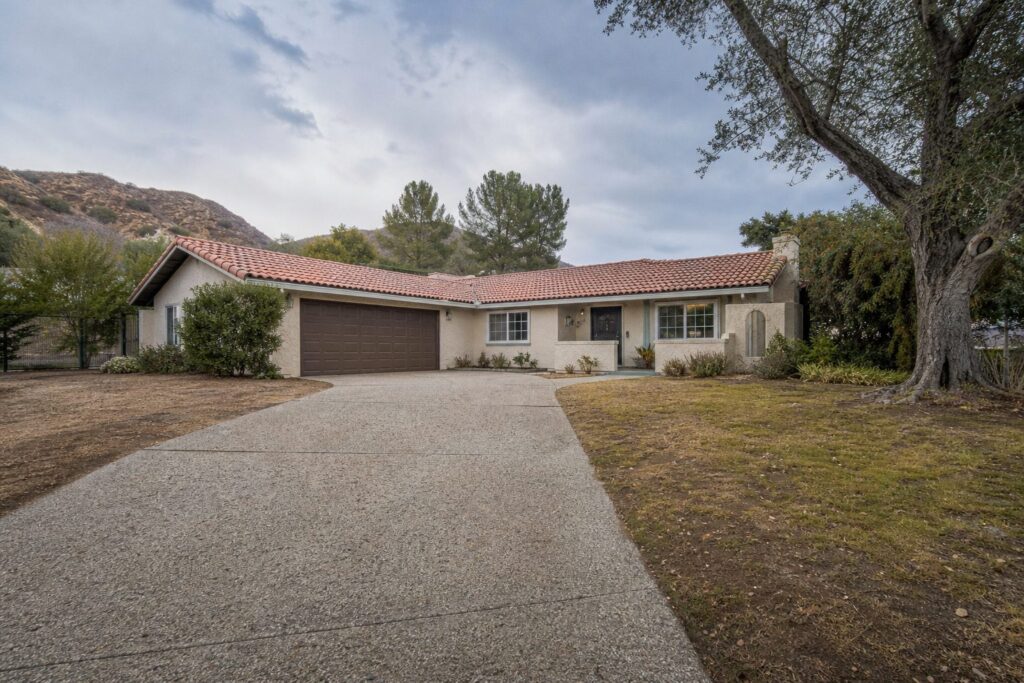
If you’re selling a Santa Clarita home this winter, can overly enhanced listing photos actually create legal problems for you?
Yes. As of January 1, 2026, California’s AB 723 requires disclosure of digitally altered listing photos, and traditional seller property condition disclosures still apply on top of it. Violating either rule can cost you thousands and delay your sale.
Why This Matters for Santa Clarita Sellers Right Now
Here’s the reality: the Santa Clarita Valley gets gray, short winter days. Your landscaping goes dormant. The hills behind your Saugus ranch-style or your Valencia village home look brown instead of golden-green. The temptation to swap in a blue sky, green up the lawn, or digitally stage that empty former rental is stronger than ever, and AI tools make it effortless.
But the rules changed in 2026. California’s AB 723, which took effect January 1, 2026, now requires that every digitally altered marketing image be disclosed with a statement and a link or QR code to the original, unaltered photo. Meanwhile, 81% of buyers rate listing photos as the most useful feature when searching online, according to the NAR 2026 Home Buyers and Sellers Generational Trends report. That means your photos carry enormous weight, and if they mislead, the consequences are real. With Santa Clarita’s median home sale price at $825,000 as of Q3 2026 (per market data), the financial stakes of a disclosure violation or a deal falling apart at inspection are too high to ignore.
Disclosure Rule 1: California’s AB 723 and What It Means for Your Santa Clarita Listing
This is the new rule, and it applies directly to every Santa Clarita home seller in the Santa Clarita Valley.
What Counts as “Digitally Altered”
Under AB 723, an image is considered digitally altered if photo-editing software or AI has been used to add, remove, or change physical elements of a property. The law distinguishes between standard corrections (brightness, contrast, white balance, cropping) and alterations that change how the property actually looks. According to the Pacific Federal Association of Realtors’ compliance guidance, sky replacement, virtual staging, lawn greening, and day-to-dusk conversions all qualify as alterations requiring disclosure.
What’s explicitly prohibited, regardless of disclosure? Adding features that don’t exist (like a pool or deck), removing structural defects (like cracks or water stains), altering property boundaries, or creating digital renovations. These aren’t fixable with a caption. They’re simply not allowed.
What You Must Do to Comply
If you or your agent includes any digitally altered image in your listing materials, you must include a statement disclosing the alteration and provide a publicly accessible link or QR code to the original, unaltered image. That’s the text of the law itself.
What Happens If You Don’t
The penalties stack. The California Department of Real Estate can issue citations of up to $2,500 per violation and can suspend or revoke a license. The California Regional MLS (CRMLS) issues warnings followed by $250 fines for uncorrected violations. The NAR Code of Ethics allows fines up to $15,000 or membership suspension. And under California Civil Code Section 10185, willful violation is a misdemeanor carrying a fine up to $10,000, up to six months in county jail, or both.
So is the cost of a beautiful but undisclosed sky replacement worth it? Not even close.
Disclosure Rule 2: Traditional Property Condition Disclosures Still Apply in Full
Here’s what I find many sellers overlook: AB 723 is an additional layer, not a replacement for your existing obligation to disclose known material defects about your property.
What You Must Disclose as a Seller
California sellers are required to disclose known issues with the foundation (cracks, settling, prior structural repairs), the roof (age, damage, leaks, prior repairs), any current or prior water damage or moisture intrusion, and HVAC system defects. The three primary categories cover structural and physical defects, environmental hazards (including lead paint, asbestos, and radon), and legal or title issues affecting ownership, according to established California real estate disclosure law.
If your home was built before 1978, federal law also requires you to disclose all known lead-based paint hazards, provide the EPA pamphlet, include specific warning language in the contract, and give buyers a 10-day testing window.
Why Winter Makes This Even More Critical
Winter disclosure categories are especially relevant to seasonal selling. They include the roof, basements and crawl spaces, plumbing, heating and air conditioning, electrical systems, and soils and drainage. SCV winters bring rain, and your home’s drainage, roof integrity, and heating system face scrutiny that a summer sale might not trigger. You cannot digitally erase evidence of these issues from your photos and expect your disclosure form to remain silent about them.
Former Rental Owners in Santa Clarita: Your Specific Risk
If you’ve been renting out a property in Valencia, Saugus, or Stevenson Ranch and you’re now ready to sell, I want you to pay extra attention here. As a real estate advisor who specializes in seller representation, landlords, and investment properties across the Santa Clarita Valley, I see this scenario regularly.
The “Knowledge” Standard Works Both Ways
In California, sellers are required to disclose what they know, not necessarily what they ought to know. If you haven’t lived in the property, you may genuinely not know about certain defects. But here’s the catch: if your tenants submitted maintenance requests about a leaking roof, a cracked foundation, or a malfunctioning HVAC unit, those reported issues are within your knowledge. Claiming ignorance when your own maintenance records say otherwise will not hold up.
The Photo Temptation Is Strongest for Rentals
Former rentals often show more wear than owner-occupied homes. Scuffed walls, worn carpet, deferred landscaping. The urge to virtually stage over existing furnishings or digitally remove signs of wear is understandable. But remember: you can add furniture digitally with proper disclosure, but hiding a water stain or a cracked wall is never allowed, per both AB 723 and existing MLS rules.
My recommendation? Consider a pre-listing inspection. A thorough inspection before listing can reveal defects that surprise you and allow you to fix them upfront, rather than having them surface during buyer due diligence and torpedo a deal.
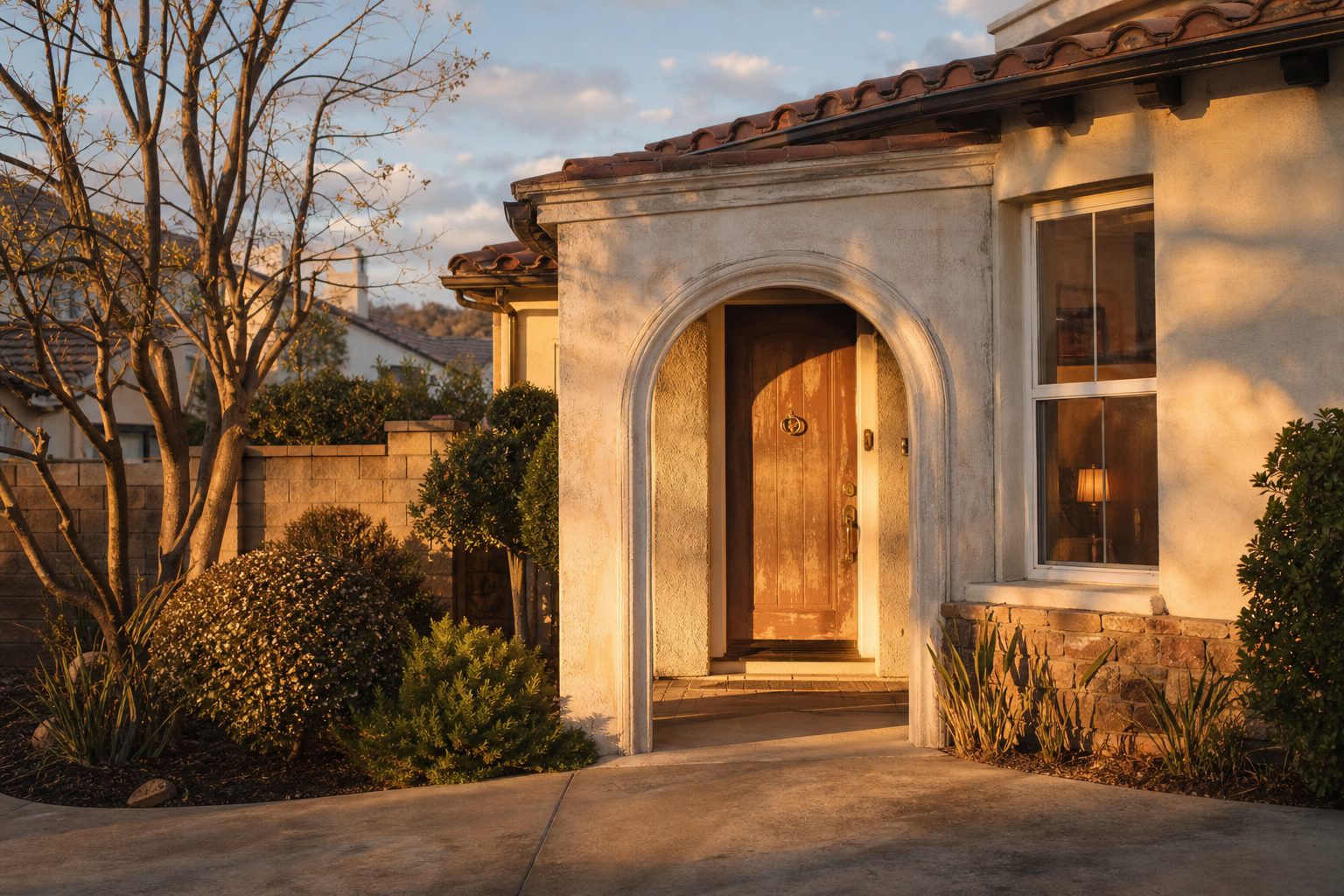
What Santa Clarita Buyers Should Know About “Housefishing”
If you’re on the buying side and comparing Santa Clarita homes for sale online, you need to understand the term “housefishing.” It describes listings where digitally altered photos create a misleading impression of a home’s condition, and research shows that 90% of altered listing photographs change the exterior appearance or surrounding landscape, according to industry analysis reported by Real Estate News.
How to Protect Yourself
The National Association of Exclusive Buyer Agents recommends that you check for disclosure labels like “digitally altered” or “virtually staged,” ask for original copies of photos that look too polished, and always, always visit the property in person before making an offer. In a market like Valencia, where homes sell in as few as 23 days for hot listings (per Q3 2026 data), the pressure to move fast can make it tempting to skip the in-person visit. Don’t.
When you’re walking through a home along McBean Parkway or touring a property near Bridgeport Lake, compare what you see with what the listing showed you. If the differences are significant, that’s a red flag worth discussing with your agent.
The Practical Test: When to Disclose and When You’re Fine
I keep this simple for my clients. Before any photo goes live on your Santa Clarita listing, ask yourself three questions:
- Is the edit material to a buyer’s decision? If yes, disclose.
- Could a buyer feel misled when they visit in person? If yes, disclose.
- Does the edit show something that does not currently exist? If yes, disclose.
When in doubt, disclose. A short caption reading “virtually staged” or “sky enhanced” is enough to clear both the legal and ethical bar, and research shows it does not materially hurt the listing’s appeal. What does hurt a listing is a buyer walking into a home on Dickason Drive that looks nothing like the photos and walking right back out.
Frequently Asked Questions
Does AB 723 apply to all Santa Clarita home sellers or only agents?
AB 723 applies to any real estate broker, salesperson, or person acting on their behalf who includes a digitally altered image in advertising or promotional material for the sale of real property. If you’re a Santa Clarita seller directing your agent to use altered photos, you share responsibility.
What’s the difference between an allowed edit and a prohibited alteration?
Standard corrections like brightness, contrast, white balance, and cropping require no disclosure. Edits that change the property’s appearance, such as sky replacement, virtual staging, and lawn greening, require disclosure. Adding features that don’t exist, removing structural defects, or altering property boundaries is prohibited entirely.
Can I virtually stage my empty Valencia home?
Yes. Virtual staging is allowed under AB 723 and MLS rules as long as you include a disclosure statement and provide access to the original, unaltered photos via a link or QR code. This applies whether the home is in Valencia, Saugus, Stevenson Ranch, or anywhere else in California.
What are the maximum penalties for violating AB 723 in California?
Penalties include DRE citations of up to $2,500 per violation, CRMLS fines of $250 for uncorrected violations, NAR ethics fines up to $15,000, and for willful violations, a misdemeanor charge carrying up to $10,000 in fines and up to six months in county jail.
I’m selling a former rental in Saugus. Do I have to disclose tenant-reported maintenance issues?
If your tenants reported issues and you have records of those reports, those problems are within your knowledge and must be disclosed on your seller property condition disclosure form. Simply not having lived in the property does not exempt you.
Are sky replacement edits really a problem for winter listings in Santa Clarita?
Sky replacement is one of the most common AI alterations. It’s allowed in Santa Clarita listings, but only with proper disclosure. Given that SCV winters bring overcast days, this edit is especially tempting and especially important to label correctly.
Does the federal lead paint disclosure still apply if I’m using AB 723 disclosures?
Absolutely. AB 723 covers photo alterations. Federal lead paint disclosure is a separate, independent requirement for any home built before 1978. Both apply simultaneously. Neither replaces the other.
How should buyers in Santa Clarita spot “housefished” listings?
Look for disclosure labels on listing photos. Ask your agent for original, unaltered images. Visit every property in person. Compare the online photos to what you see at the showing. If the home near Bridgeport Lake had lush green lawns in the photos but brown grass in person, and no disclosure was provided, that’s a compliance issue.
Should I get a pre-listing inspection before selling this winter?
I recommend it, especially for former rental owners and anyone selling during winter months when roof, drainage, and HVAC issues are most likely to surface. A pre-listing inspection lets you fix problems proactively instead of negotiating them reactively.
Does a “virtually staged” caption really not hurt my listing’s appeal?
Industry guidance consistently shows that a brief, honest caption does not deter serious buyers. What does deter them is arriving at a showing and feeling deceived. Transparency builds trust, and trust is what gets offers signed.
The Bottom Line
Selling your Santa Clarita home this winter means navigating two disclosure rules that work in tandem. AB 723, effective January 1, 2026, requires you to disclose every digitally altered listing photo and provide buyers access to the originals. Traditional property condition disclosures require you to share known material defects, and winter amplifies the categories that matter most. Together, these rules protect you from liability and build the buyer trust that actually gets homes sold.
If you’re preparing to list in Valencia, Saugus, Stevenson Ranch, or anywhere in the San Fernando Valley, and you want to make sure your listing photos, disclosures, and pricing strategy are all working together, I’d welcome the conversation. I’m Lata Agadjanova with Park Regency Realty, and with 10 five-star reviews from past clients and a Circle of Excellence recognition, I’m here to help you sell confidently and compliantly. You can reach me at 818-620-7635.